
In Short
- An oversized unit means wasted investment; an undersized one means constant overheating — both cost you. The logic behind correct sizing.
- Topics covered in this article: The Power Unit: Heart of the System, Step 1: Determine the Required Flow, Step 2: Determine the Working Pressure, Step 3: Calculate Motor Power, Step 4: Choose the Pump Type.
- Our services related to this topic: Hidrolik Güç Ünitesi İmalatı, Hidrolik Silindir İmalatı, Paslanmaz Hidrolik Ünite.
- On-site inspection is free within and around Izmir; a firm quote follows measurement.
In This Article10 sections
- The Power Unit: Heart of the System
- Step 1: Determine the Required Flow
- Step 2: Determine the Working Pressure
- Step 3: Calculate Motor Power
- Step 4: Choose the Pump Type
- Step 5: Tank and Heat Balance
- Step 6: Valve Group and Control
- How Do You Design a Unit That's Easy to Maintain?
- Common Unit-Sizing Mistakes
- Frequently Asked Questions
The Power Unit: Heart of the System
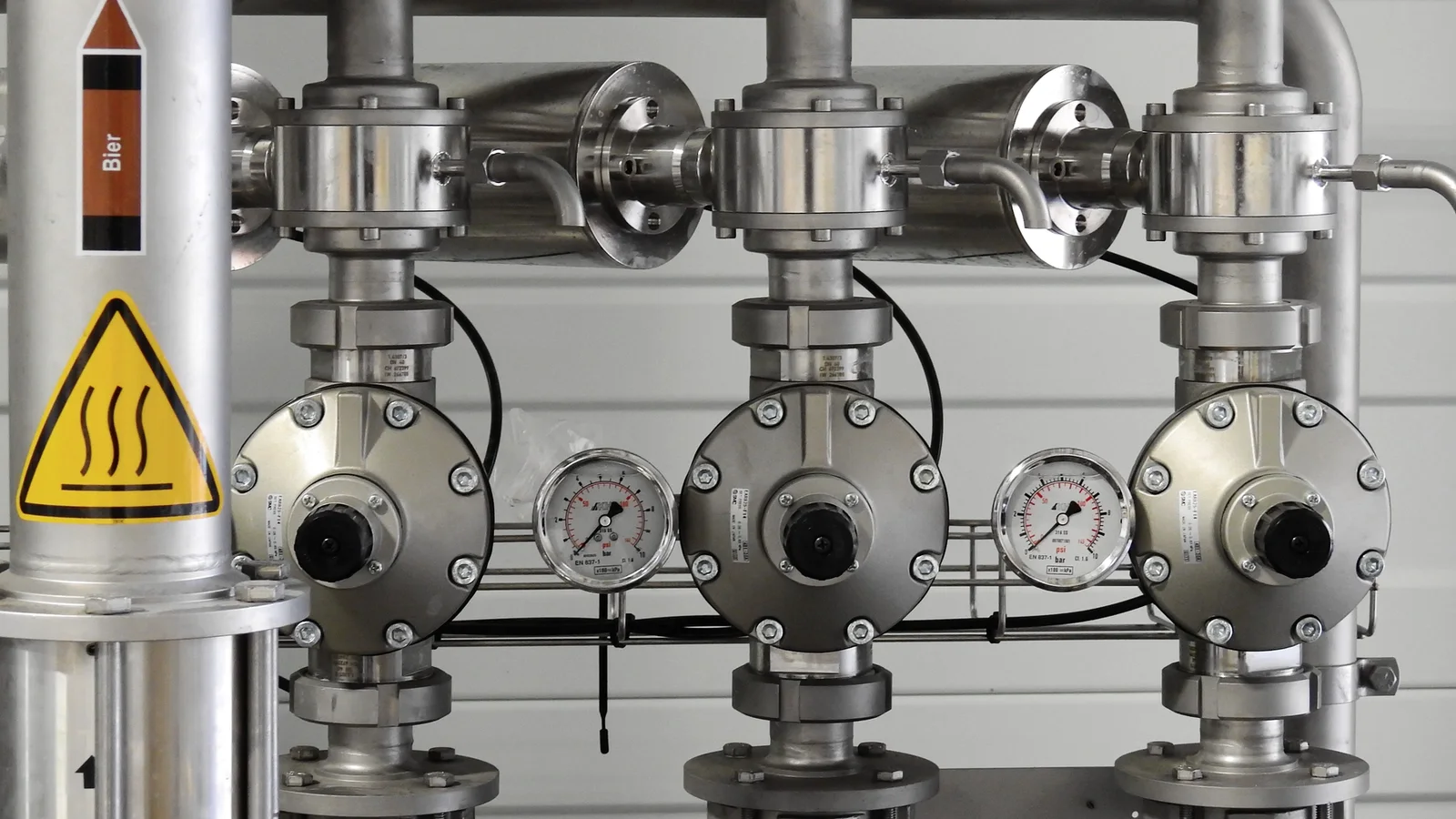
A hydraulic power unit is an integrated power source made up of an oil tank, an electric motor, a pump, a valve group and control elements. Cylinders and hydraulic motors are fed from this unit.
No matter how good the cylinder is, if the unit is sized wrong, the system either can't produce enough force, runs too slowly, or overheats constantly. That's why unit selection can't be considered separately from cylinder selection.
The right unit starts with one question: "What will this unit do, in how much time, how many times a day?" Once that's answered, the rest is calculation.
Step 1: Determine the Required Flow
Flow tells you how many litres of oil per minute are needed, and it directly determines speed. The logic is simple: the larger the cylinder volume and the shorter the time the motion needs to take, the more oil is required.
What increases flow requirements:
- A large-bore cylinder
- A long stroke
- Short cycle time (fast motion required)
- Multiple cylinders operating at once
A common mistake is not stating the speed requirement. Ask for "a unit to run this cylinder" and the resulting unit produces force but may move slower than expected. Stating upfront how many seconds the motion needs to take is the shortest path to the right unit.
Step 2: Determine the Working Pressure
Pressure determines the force to be produced. If the cylinder bore and required force are known, working pressure can be calculated.
Choosing pressure is a balancing act:
- Higher pressure: a smaller cylinder and less oil for the same force. Saves space. But it demands better sealing quality, thicker wall sections, and more careful manufacturing.
- Lower pressure: needs a larger cylinder and a bigger tank, but component cost drops and the system is more "forgiving."
The relief valve is also set somewhat above the system's working pressure. This setting protects the system, but if it's kept unnecessarily high it strains every component.
Step 3: Calculate Motor Power
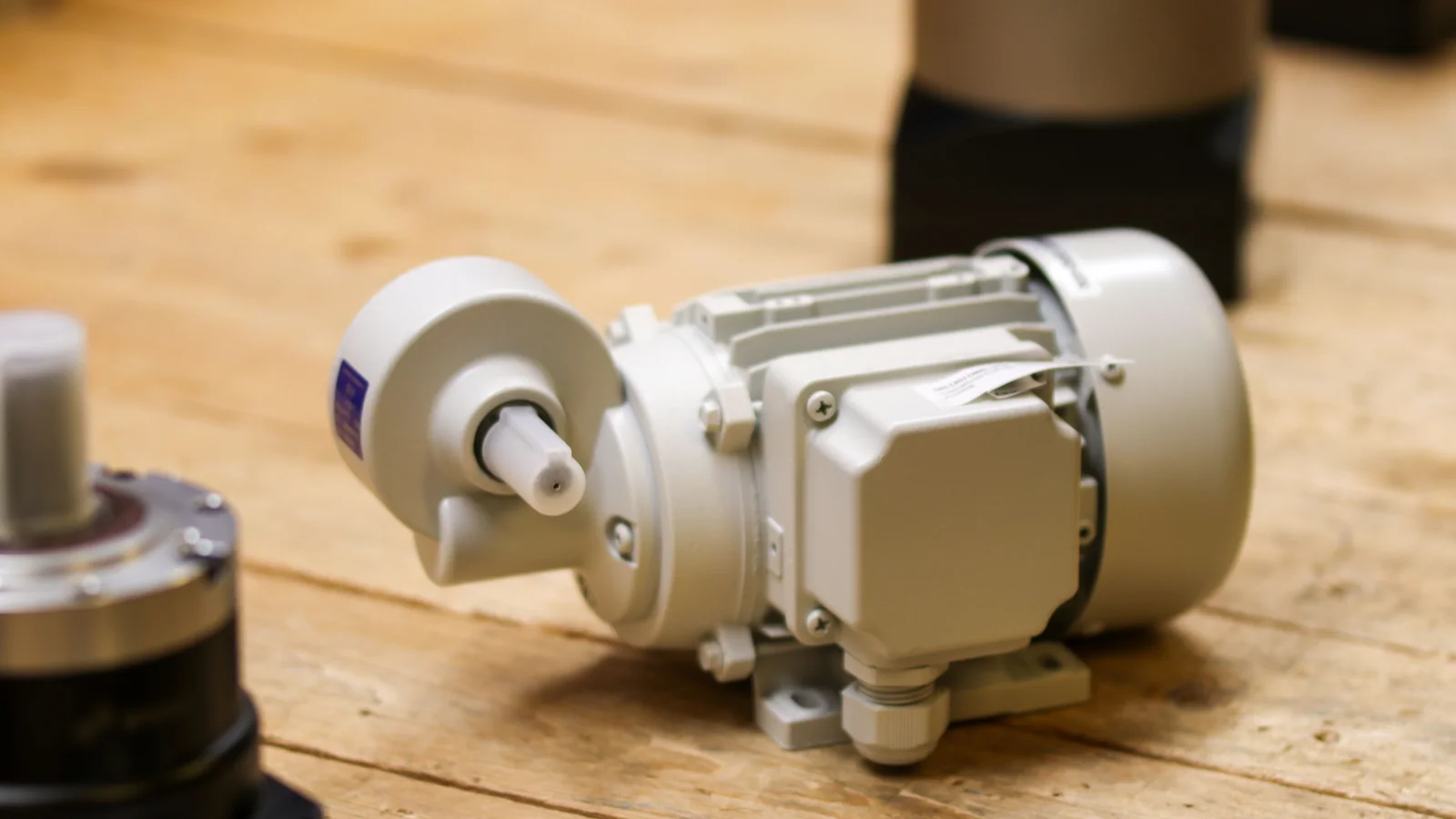
Motor power is a value jointly determined by pressure and flow — as either rises, the power needed rises. An efficiency margin is added to the calculation, since pump and line losses exist.
Points often overlooked in motor selection:
- Duty cycle: will it run continuously or intermittently? Continuous duty calls for more careful selection.
- Ambient temperature: the motor has a harder time cooling in a hot environment.
- Protection class: dusty, damp or washed-down environments need a higher protection rating.
- Electrical infrastructure: your facility's existing panel and line capacity.
Step 4: Choose the Pump Type
Pump type shapes the unit's character more than anything else. The three most common types in industry:
| Pump Type | Strength | Limitation | Typical Use |
|---|---|---|---|
| Gear pump | Simple, economical, tolerates contamination | Moderate pressure limit, fixed flow | General-purpose units, presses |
| Vane pump | Quiet, smooth flow | Sensitive to oil cleanliness | Machine tool and equipment units |
| Piston pump | High pressure, high efficiency, variable flow | Higher investment cost | Heavy duty, energy-efficiency-critical systems |
Variable-displacement piston pumps save energy by reducing flow when it's not needed; in systems with long idle periods they pay back their investment quickly. On the other hand, for a simple, intermittently used press, a gear pump is both sufficient and economical.
We recommend what fits your duty cycle, not the most expensive option.
Step 5: Tank and Heat Balance
Tank volume is generally chosen at several times the pump's flow rate, but the real determining factor is heat balance: how much heat does the system generate, and how much can the tank dissipate?
Points we pay attention to in tank design:
- Suction line: sized to prevent the pump from ingesting air and to avoid cavitation — the single biggest factor in pump life.
- Return line and settling volume: arranged so the returning oil can release its air and cool.
- Internal tank cleanliness: a tank left with weld slag and scale contaminates the system from day one.
- Maintenance access: filters, level gauges and drain points need to be easily reachable. A unit that's hard to maintain simply won't be maintained.
- Cooling needs: if it'll run continuous duty, this is planned in from the start.
Step 6: Valve Group and Control
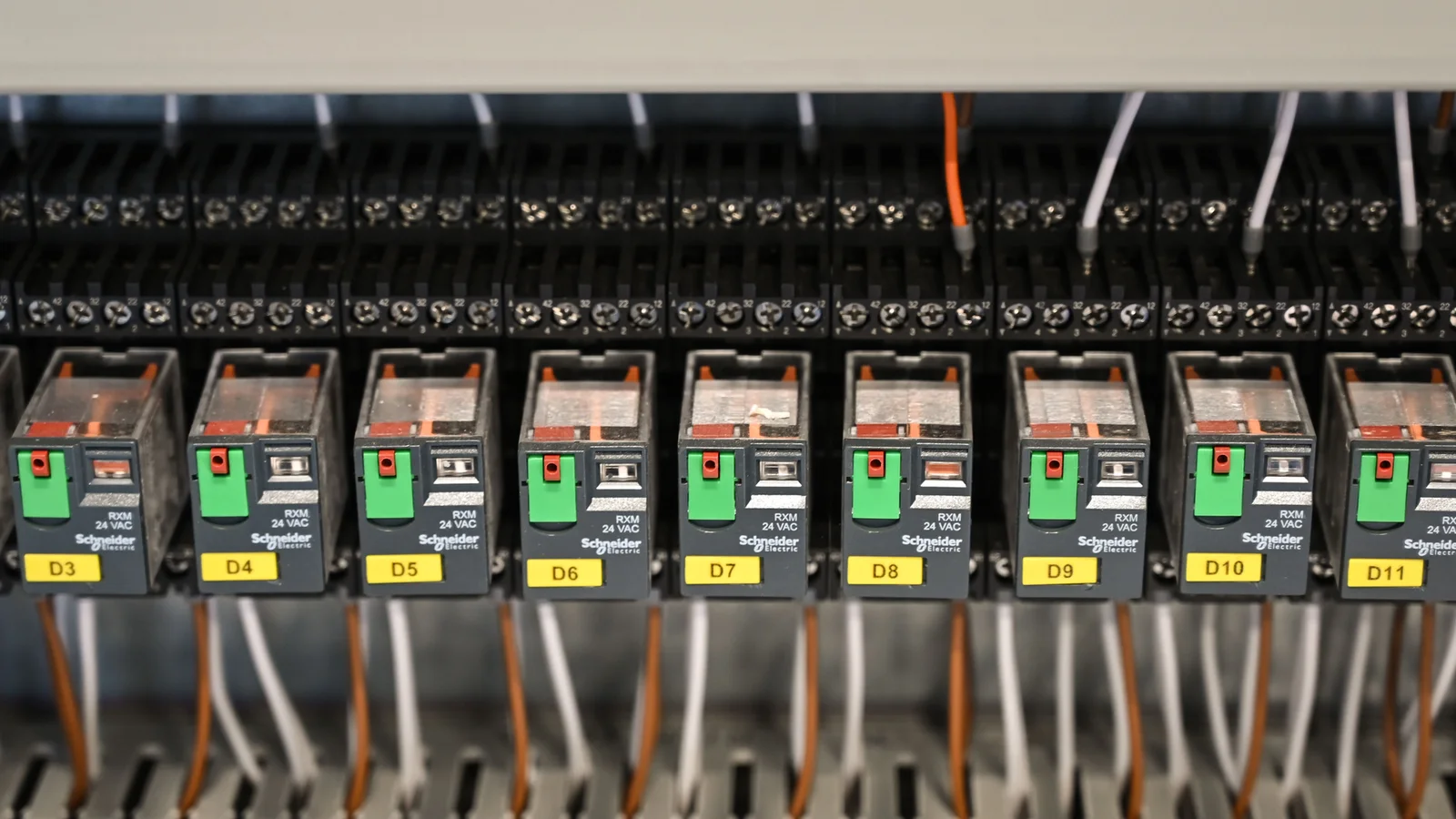
The valve group is the system's "brain": it determines which cylinder runs when, at what speed, and in which direction. Questions that shape this choice:
- How many different movements are there?
- Do the movements happen in sequence or at the same time?
- Is speed adjustment needed?
- Is precise positioning required (proportional control)?
- Is load holding needed (holding valve)?
- How should emergency stop work?
Safety elements are planned at this stage: relief valve, holding valve, pressure switch. In lifting and press applications especially, these aren't optional — they're mandatory.
How Do You Design a Unit That's Easy to Maintain?
The most overlooked criterion in unit selection is maintenance access. Yet a unit that's hard to maintain doesn't get maintained; and a unit that doesn't get maintained fails early.
Points worth designing for:
- Filter access: changing the filter shouldn't require disassembly. A filter that's hard to reach is a filter that doesn't get changed.
- Level gauge position: should be somewhere the operator sees while passing by. A gauge that's out of sight doesn't get read.
- Drain and fill points: positioned and at a height that makes oil changes easy.
- Cleaning cover: enough of an opening to clean the inside of the tank.
- Labelling: pressure values, oil type and connection points should be marked. This prevents the wrong intervention.
- Gauge visibility: the pressure gauge should be easy to read.
- Motor-pump access: enough clearance around the coupling for inspection and possible replacement.
These details don't show up in the quoted price, but they make a difference over the unit's whole life. When evaluating a unit, don't just look at power and price — also ask "who's going to maintain this, and how?"
Common Unit-Sizing Mistakes
- "Bigger for safety's sake": an oversized unit means excess investment, excess electricity, unnecessary footprint.
- Not stating the speed requirement: plenty of force, but motion far too slow.
- Not calculating heat balance: a small tank, no cooler; comes summer, constant overheating.
- Not considering maintenance access: if reaching the filter takes half a day of disassembly, that filter won't get changed.
- Underestimating the environment: a standard panel and painted tank on a washdown line.
- Sourcing the cylinder and the unit separately: a pressure and flow mismatch shows up later.
You don't need to do the math yourself. «I need to lift this much weight in this much time» is enough for us; we handle the sizing, circuit design and component selection. 0553 608 69 10
Frequently Asked Questions
I don't have a technical spec sheet — can you still build a unit for me?
Of course. Describing what you want to do is enough: which machine, how much force, in how much time. We handle the calculation, circuit design and component selection.
Can you upgrade the power unit on my existing machine?
Yes, modernisation is work we do often. We design a new unit that does the same job more efficiently in place of the old one; connection and mounting dimensions are preserved, so no changes are needed to the machine.
Does a variable-displacement pump really save money?
If the system spends long periods idle, yes, noticeably. In a system running at full load continuously, the difference shrinks and the investment pays back more slowly. Knowing your duty cycle lets us make the right recommendation.
Is it worth having the unit and the cylinder built together?
Yes. Pressure, flow and speed compatibility are built in from the start; you avoid problems like 'plenty of force but too slow.' You also deal with a single point of contact, so you're never caught between two suppliers when something goes wrong.
When is a stainless unit needed?
In food, chemical, water-treatment, marine environments and facilities with daily washdown. If chlorinated cleaning agents or salt air are present, stainless grade matters too — we've covered the details on our stainless unit page.
Our Services on This Topic
More From the Guide

İsmail Çevik is the founding partner of ÇevikSan. This content was prepared based on our workshop's hands-on manufacturing, repair and overhaul experience with hydraulic and pneumatic cylinders.
Last updated: August 27, 2026