
Summary
- Our Hydraulic Power Unit Repair service covers Izmir and the surrounding region; site surveys and fault diagnosis are free.
- We provide a firm quote after removal and measurement; no work starts without your approval.
- Manufacturing and repair are done in the same workshop — we produce equivalent replacements for parts that are no longer available.
- Every part is pressure-tested before delivery; workmanship is guaranteed.
- Topics covered on this page: Hydraulic Power Unit Repair and Overhaul in Izmir, Warning Signs Your Unit Is Failing, What Do We Do? Our Service Scope, Our Overhaul Process, Oil and Filtration: The Hidden Cause of Failures.
Table of Contents20 sections
- Hydraulic Power Unit Repair and Overhaul in Izmir
- Warning Signs Your Unit Is Failing
- What Do We Do? Our Service Scope
- Our Overhaul Process
- Oil and Filtration: The Hidden Cause of Failures
- Pump Faults: Symptom, Cause, Fix
- Valve Faults and Solutions
- Tank Cleaning and System Flushing
- Repair, Modernisation, or a New Unit?
- Emergency Service: When the Unit Stops
- Unit Problems by Sector
- After Service: Report, Guarantee and Follow-Up
- Periodic Maintenance: Don't Wait for the Fault
- Where's the Fault? A Guide to Reading the System
- Energy Efficiency: The Hidden Gain From Service
- The Cost of Downtime, the Cost of Maintenance
- Before You Call for Service: An 8-Step Check
- Terms You'll Hear in Unit Faults
- Unit Service Across Izmir
- Frequently Asked Questions
Hydraulic Power Unit Repair and Overhaul in Izmir
Repairing a hydraulic unit often decides the fate not of one machine but of an entire line: when the power unit stops, every cylinder, press and mechanism connected to it stops with it. At ÇevikSan we provide hydraulic power unit repair, hydraulic unit overhaul and periodic maintenance services in Izmir. We work both in our Mersinli workshop and on site — and we don't charge for the survey.
What unit faults have in common is that the symptom tends to show up far from the cause: the cylinder is slowing down, but the problem is in the pump; the pressure has dropped, but the culprit is the relief valve; the system is overheating, but the reason is a clogged filter. That's why we don't approach unit work by "swapping parts" — we measure first and read the system as a whole. If replacing the unit is genuinely the better option, we'll say so plainly — manufacturing a new unit is our business too.
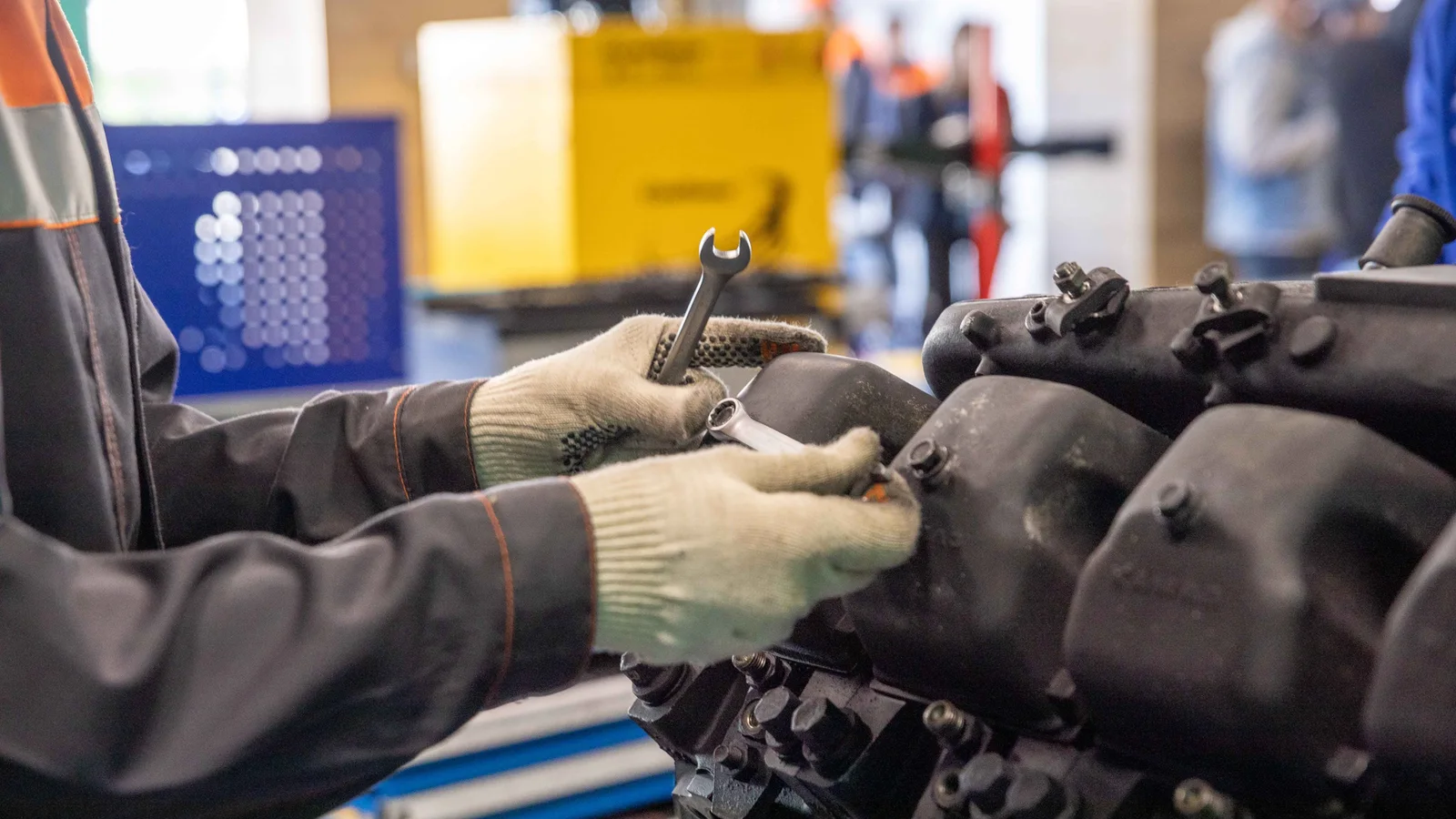
Warning Signs Your Unit Is Failing
A power unit signals trouble before it breaks down. The symptoms we see most often, and what they point to:
- Low pressure / loss of force: Pump wear, a relief valve setting that has drifted, or an internal leak in the system.
- Oil overheating: Insufficient tank volume, a clogged filter, constant unloaded running, a cooler fault, or an internal leak.
- Noise and vibration: Pump cavitation (air ingestion), coupling misalignment, low oil level.
- Foamy / cloudy oil: Air or water has entered the system; it wears out the pump fast.
- Motions slowing down: Lost flow; a pump or valve problem.
- Oil level keeps dropping: There's a leak somewhere in the lines.
- Motor tripping or overheating frequently: Excessive load, an incorrect pressure setting, or an electrical fault.
- Jerky, shuddering motion: Air in the system, contaminated oil, or a sticking valve.
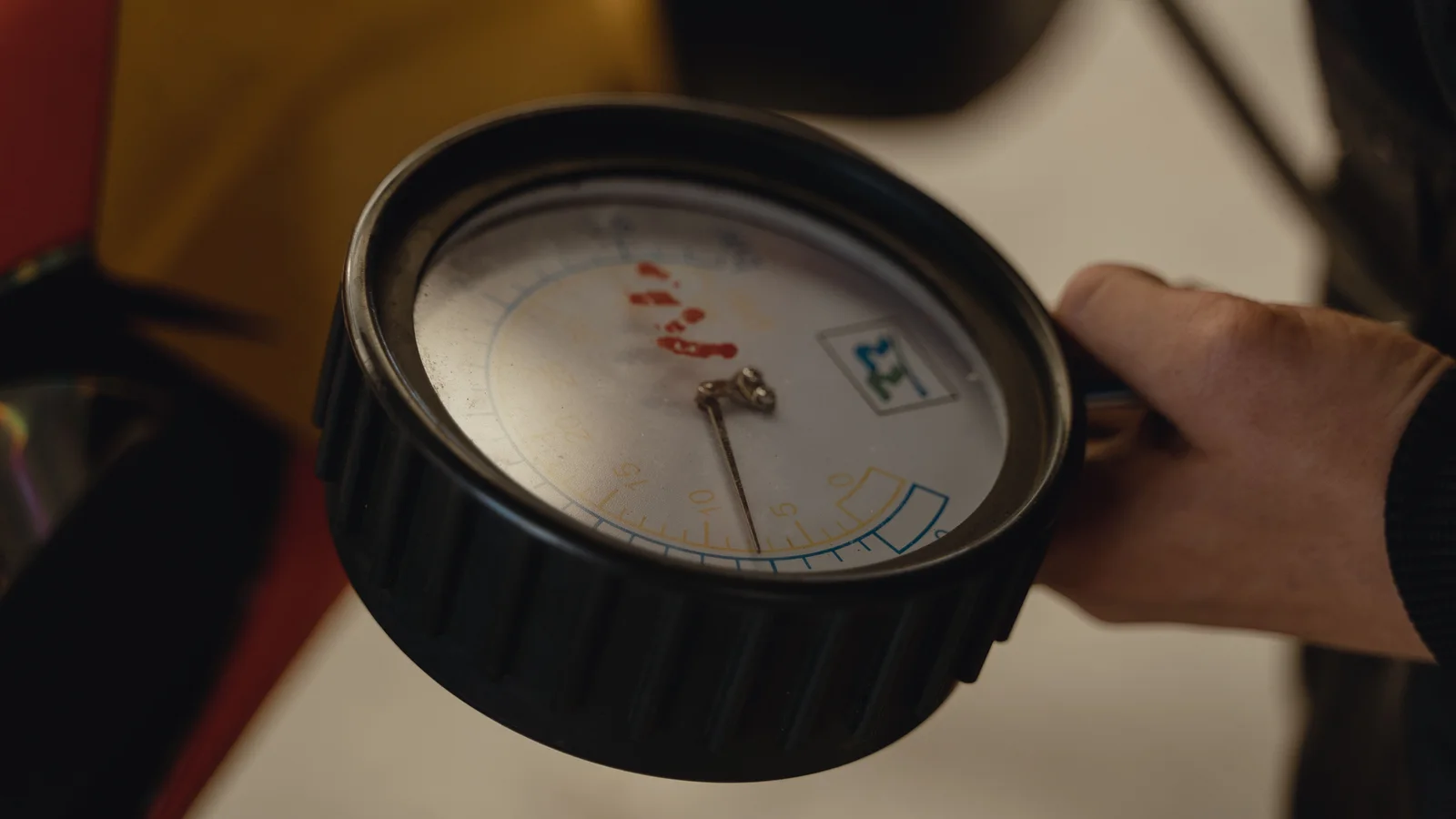
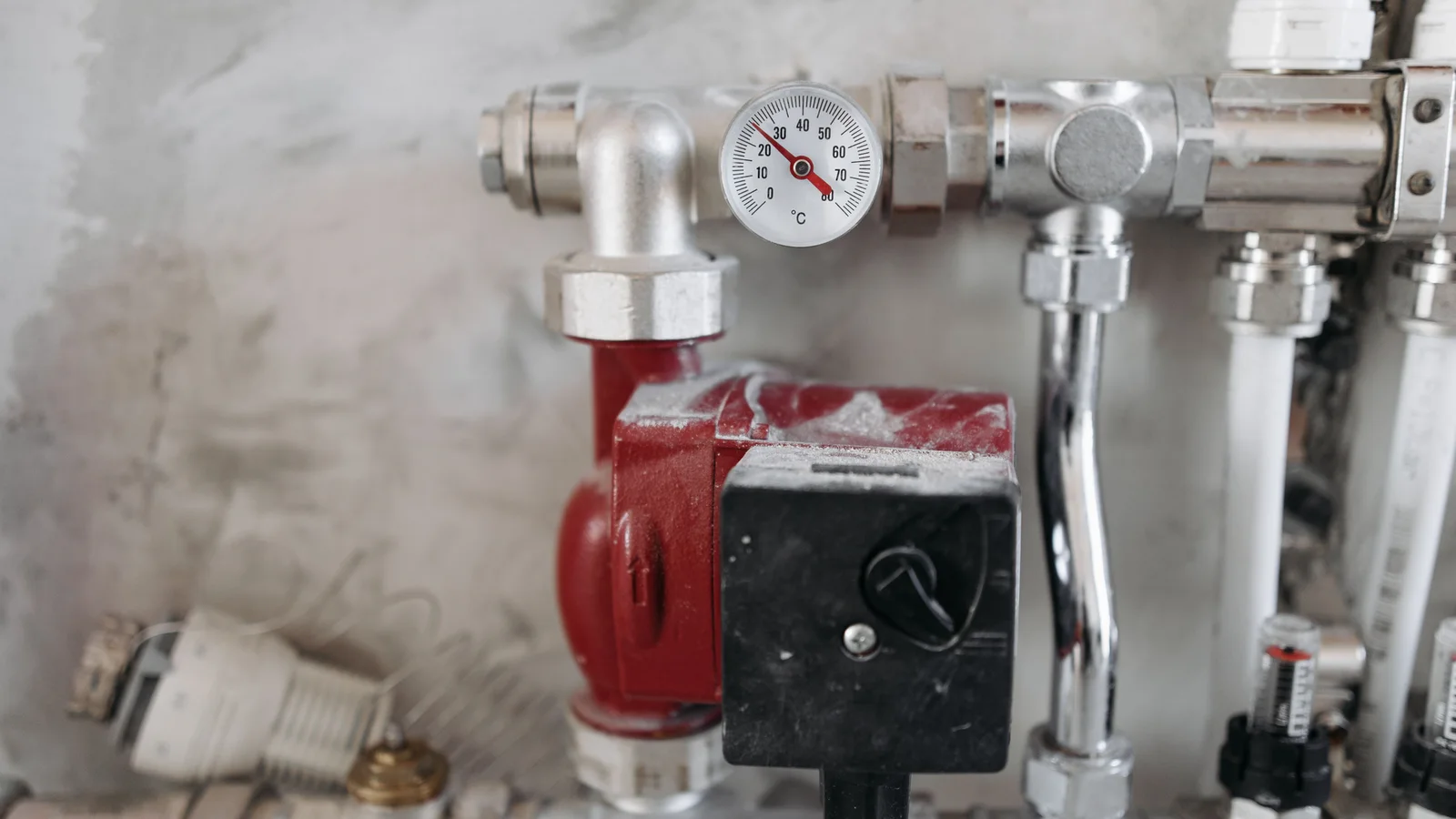
Continuing to run the system with one of these symptoms only makes the fault worse: a cavitating pump can be scrap within a short time, and overheated oil finishes off every seal in the system. Early intervention is always cheaper. If you notice one of these signs, request a check rather than pushing the system harder — measurement takes a few minutes and can buy you months of trouble-free running.
What Do We Do? Our Service Scope
Our hydraulic unit service ranges from a single component swap to a complete overhaul:
| Work | Scope | When Is It Needed? |
|---|---|---|
| Fault diagnosis | Pressure, flow and temperature measurements; system scan | There's a symptom but the source is unclear |
| Pump repair / replacement | Pump overhaul or replacement with an equivalent | Loss of flow, noise, cavitation damage |
| Valve service | Cleaning, adjustment, replacing a faulty valve | Sticking, failure to hold pressure, disrupted motion sequence |
| Tank cleaning | Draining oil, removing sludge and varnish | Dirty oil, particle contamination in the system |
| Filter and oil change | Renewal with the correct filter and oil | Periodic maintenance and when contamination is detected |
| Cooling system | Cooler service or addition | Systems that run hot continuously |
| Hose and pipe renewal | Replacing worn lines | Lines showing leaks, cracks or swelling |
| Complete overhaul | Full teardown and testing of the unit | Aging units with a sound housing |
| Modernisation | Upgrading with efficient components | High energy consumption and frequent faults |
We can also service the cylinders connected to the unit; overhauling both in the same downtime window is often the most economical route. For the cylinder side, see our hydraulic cylinder repair and overhaul page.
Our Overhaul Process
Unlike cylinder work, unit work calls for thinking in terms of the whole system. Our process:
- On-site inspection: The unit is observed while running; pressure, temperature, sound and motion behaviour are recorded. The survey is free.
- Measurement and diagnosis: Pressure is checked with a gauge, flow is measured if needed, and an oil sample is assessed visually.
- Reporting and quote: The source of the fault, the work required and the cost are stated clearly. No work begins without your approval.
- Intervention: If the job can be resolved on site, we do it there; if it's extensive, the unit is brought to our workshop.
- Sourcing and manufacturing parts: Standard components are procured; custom parts are manufactured in our workshop.
- Assembly and adjustment: The system is reassembled, pressures are set, air is bled.
- Testing and commissioning: It's tested unloaded and under load; heating and sealing are observed, and the unit is handed back running.
We give priority emergency service to businesses whose line has stopped. Lost production climbs fast during a unit fault; tell us how urgent it is and we'll plan accordingly: 0553 608 69 10
Oil and Filtration: The Hidden Cause of Failures
The root of most hydraulic faults is contamination. Particles too small to see abrade the pump, valves and cylinder seals like sandpaper. That's why we always assess oil and filtration condition during every overhaul:
- Oil colour and smell: Darkened, burnt-smelling oil has suffered heat damage and lost its protective properties.
- Water contamination: Milky, cloudy oil shows water has entered the system; it causes corrosion and oil breakdown.
- Foaming: Air entering through the suction line; leads to pump cavitation and noise.
- Sludge and varnish at the bottom of the tank: A sign of a system left unmaintained for a long time; the tank needs cleaning.
- A clogged filter: A filter that has gone to by-pass is sending dirty oil straight into the system — it looks like it's there, but it isn't protecting anything.
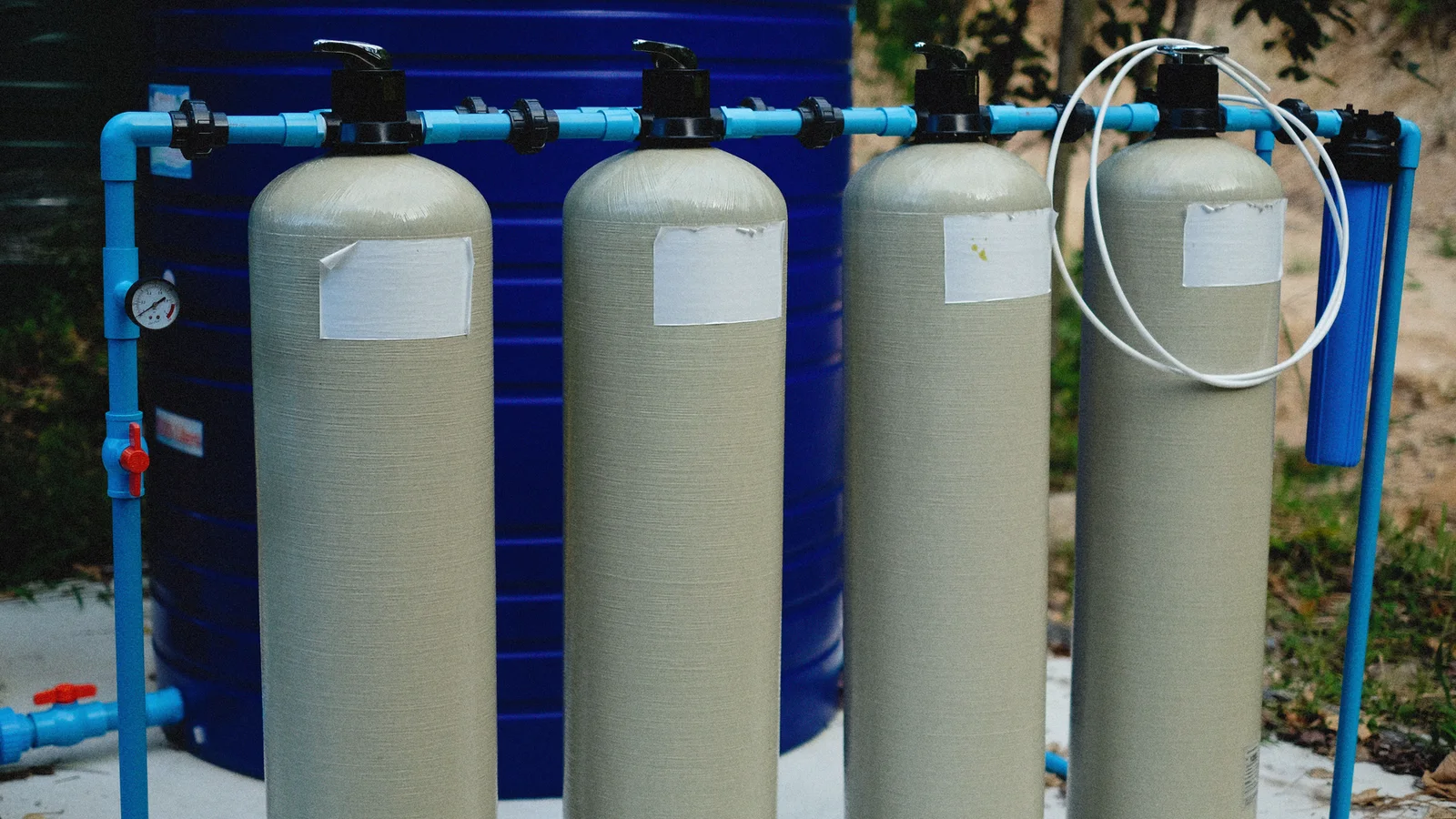
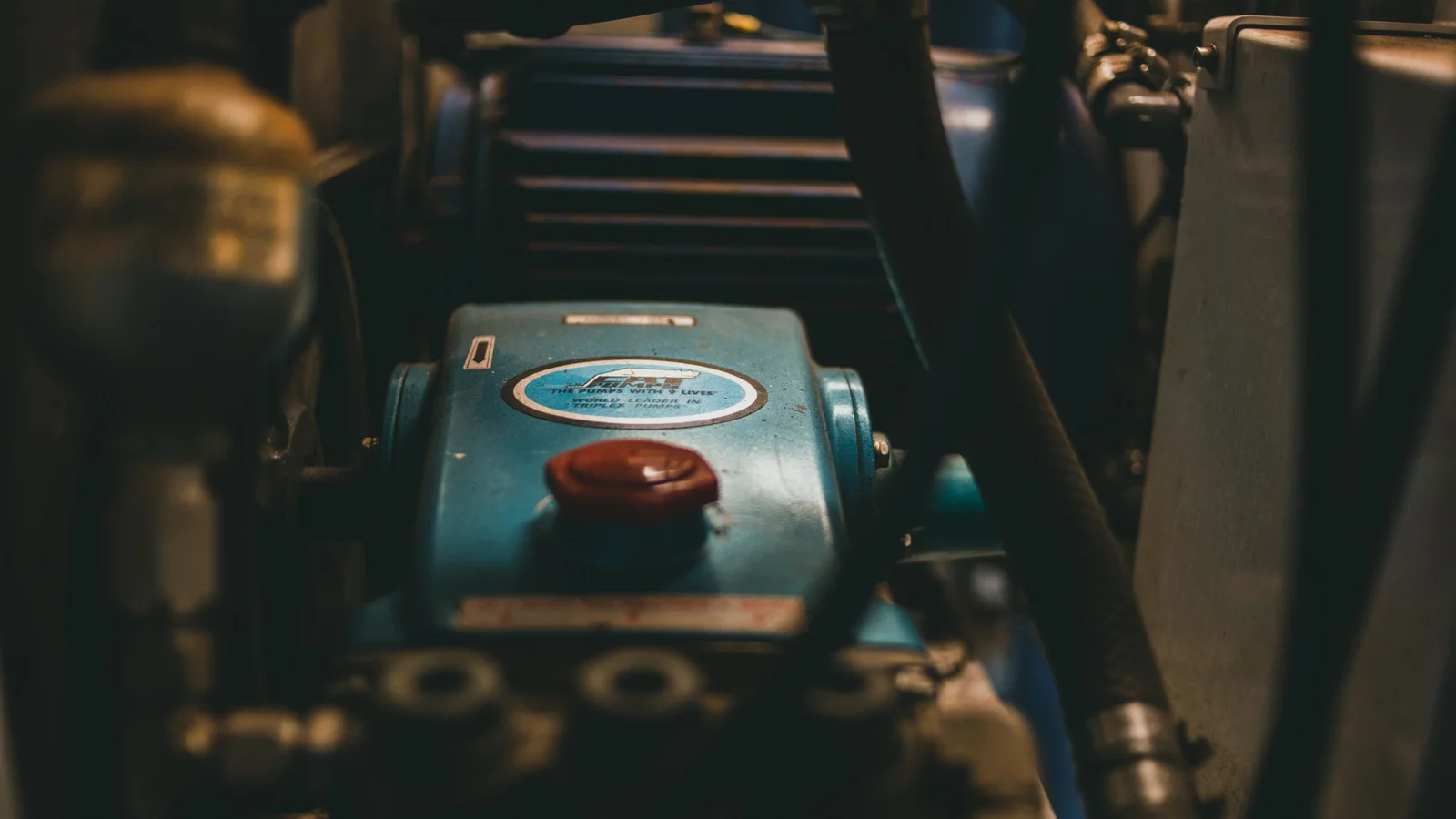
An oil change on its own isn't enough: putting clean oil into a dirty system contaminates the new oil in short order too. That's why we recommend tank cleaning and line flushing when it's warranted. At first glance this looks like an extra cost, but weighed against pump and valve life, it's one of the most profitable expenses you can make. Businesses that see how much clearer the oil sample comes back after a system flush often turn it into a regular maintenance programme.
Pump Faults: Symptom, Cause, Fix
The pump is the unit's most expensive and most talked-about component. But in a large share of pump faults, the pump isn't the culprit — it's simply the victim of the real problem.
| Symptom | Most Likely Cause | Correct Intervention |
|---|---|---|
| Dull rumble, noise | Cavitation — the pump can't draw enough oil | Check oil level, suction filter and suction line |
| Flow has dropped, motions are slow | Pump wear or internal leak | Flow measurement; overhaul/replace if worn |
| Overheating | Continuous unloaded running, internal leak | Check pressure setting and circuit |
| Oil is foaming | Air ingress through the suction line | Check connection sealing, oil level |
| Motor trips frequently | Excessive load, high pressure setting | Relief valve setting, current measurement |
| Vibration | Coupling misalignment, worn mounts | Alignment and mount renewal |
| Pump failed again shortly after replacement | Root cause not addressed | System cleaning, review of filtration and suction design |
The warning we give most often is this: replacing a cavitating pump isn't a fix. If the cause isn't removed, the new pump ends up in the same state within a short time. That's why we always check the suction line, the filter and the oil level before renewing a pump.
When we do replace a pump, we treat system cleaning as standard practice: if metal particles scattered by the old pump aren't cleared out of the system, the new pump just keeps swallowing them.
Valve Faults and Solutions
Valves are the decision-makers of a hydraulic system. When they fail, the symptom often points at a different component — leading to the wrong intervention.
Valve problems we commonly encounter:
- Sticking: Dirty oil, varnish formation or sludge sticks the valve spool. Motion either doesn't happen at all or happens with a delay. Cleaning and oil maintenance fix it.
- Internal leakage: A worn spool passes oil even in the closed position. The cylinder can't hold a load, and the system heats up.
- Coil fault: An electrical problem; the valve is mechanically sound but isn't being triggered. Easily distinguished with manual triggering.
- Relief valve setting drift: If the setting drifts down, the system can't hold pressure; if it drifts up, every component is overstressed.
- Holding valve fault: The load can't be held — a direct safety risk in lifting and press systems.
- Throttle valve setting: An incorrect setting can create the impression of a fault that isn't there.
A significant share of valve faults are resolved with cleaning and adjustment — replacement isn't always necessary. But if there's wear, cleaning is only a temporary fix. Telling the two apart takes measurement and systematic testing — swapping parts by trial and error is both expensive and misleading.
Tank Cleaning and System Flushing
In systems left unmaintained for a long time, sludge accumulates at the bottom of the tank, varnish coats the walls, and residue builds up in the lines. In this case an oil change alone isn't enough: clean oil picks up the existing contamination and gets dirty again in short order.
Tank cleaning and system flushing consist of these steps:
- Draining the oil: The old oil in the system is fully drained.
- Opening and cleaning the tank: Sludge at the bottom, varnish on the walls and any corrosion residue are cleaned out.
- Line check: Pipes and hoses are assessed for residue; flushed or renewed if needed.
- Filter renewal: All filter elements are replaced.
- Suction line and strainer: The suction strainer is cleaned or renewed.
- New oil fill: The correct oil is filled using clean equipment.
- Commissioning and observation: The system is run and oil condition is watched over the first few hours.
At first glance this looks like an extra cost. But weighed against the value of the pump and valves, it's one of the most profitable expenses you can make. Businesses that see how much clearer the oil sample comes back after a system flush often turn it into a regular maintenance programme.
Repair, Modernisation, or a New Unit?
There are three paths for an aging unit. The criteria we look at when making the right call:
| Situation | Our Recommendation | Rationale |
|---|---|---|
| One component faulty, the rest is sound | Repair | The fastest, most economical fix; the unit is back in service quickly |
| Multiple components have worn out | Complete overhaul | Renewing the whole is cheaper and more lasting than replacing parts one by one |
| The unit uses too much electricity | Modernisation | An efficient pump/motor saves energy; the investment pays for itself |
| Constant faults, parts unavailable | New unit manufacturing | Sticking with old technology grows the cost of downtime |
| The machine's needs have changed | Re-sizing + new unit | The existing unit is no longer a fit for the job |
| Tank sound, components old | Partial renewal | Tank and chassis kept, internal components renewed — a middle path |
We make this assessment after measurement and inspection — never by guesswork. We put every option in front of you with its price and leave the decision to you. Our aim isn't to generate work, it's for your system to run the longest with the least trouble. Replacing a unit unnecessarily might look like a short-term win; we prefer to work for the long run.
Emergency Service: When the Unit Stops
When a power unit stops, every machine connected to it stops too. That's why unit faults cost more than a single cylinder fault, and why they're a priority for us.
Information that speeds things up when you call:
- Urgency: Tell us "the line is down" and we'll plan accordingly.
- Symptom: No pressure, or low pressure? Any noise? Any overheating? When did it start?
- Recent changes: Was there a recent oil change, part replacement or adjustment? Faults often start right after an intervention.
- System info: Operating pressure, motor power, oil type and tank volume. A photo of the nameplate is enough.
- Photos: A general view of the unit, the gauge reading, and any visible leak.
Power units are hard to move, so most of our work happens on site. Our team arrives with diagnostic equipment, measures on the spot and finishes as much of the job there as possible. If the unit needs to come to the workshop, we manage the teardown, transport and reinstallation.
Our advice for critical facilities: keep a small stock of spares for the most fault-prone components (filter elements, seal kits, coils). It turns many faults from hours of downtime into minutes.
Unit Problems by Sector
Every facility's unit wears out differently. The sectors we serve across Izmir and the problems we see most often in each:
| Sector | Most Common Problem | Our Approach |
|---|---|---|
| Hydraulic press shops | Pressure loss, internal leak, overheating | Pressure measurement, cylinder and valve check, relief valve setting |
| Plastic injection | Overheating in continuous duty, filter clogging | Cooling assessment, filtration improvement |
| Marble and natural stone | Water contamination, dirt | Tank cleaning, oil change, sealing check |
| Recycling | Heavy load, continuous operation, wear | Pump and valve overhaul, stronger filtration |
| Food plants | Washdown water ingress, corrosion | Upgrading protection class, recommending a stainless solution |
| Agricultural machinery | Seasonal idle periods, moisture | Pre-season check, oil and seal renewal |
| Heavy industry | High heat, intense cycling | Heat management, cooler service, oil analysis |
This table shows something important: the same symptom (overheating, say) has different causes at different facilities. In a marble workshop it's most likely water contamination; in plastic injection, continuous duty; in a press, an internal leak. Knowing the sector and operating conditions shortens diagnosis time.
Once we've worked at a facility, we know the system: which component was renewed when, which fault keeps recurring, which setting is critical. That familiarity is a major advantage on later visits, and it's often what lets us guide you over the phone.
After Service: Report, Guarantee and Follow-Up
Every job we deliver is covered by a workmanship guarantee; the components we use carry their own manufacturers' warranties. But more important than the guarantee is making sure the fault doesn't come back.
What we do at every service visit:
- A breakdown of the work done: Which part was replaced, which adjustment was made, which measurement was taken — in writing.
- Root-cause assessment: Why did the fault occur? Dirty oil, an incorrect setting, a design gap?
- A list of recommendations: What needs doing to prevent a recurrence, in priority order.
- Measurement records: Pressure, temperature and flow readings where taken. These give you a comparison point at the next service.
- A suggested maintenance schedule: Check intervals sized to how heavily your system runs.
Over time these records build a valuable archive: seeing how pressure has changed over the years lets you catch wear before a fault occurs. We also keep records of the past work done on machines we've serviced.
If a problem is structural, we'll say so plainly. Rather than repairing a unit every six months, we'd rather recommend the lasting fix — a new unit, if that's what's needed.
Periodic Maintenance: Don't Wait for the Fault
Most unit faults don't have to be unplanned. Businesses that turn downtime into something scheduled through a periodic maintenance programme have both fewer faults and lower costs. The maintenance discipline we recommend:
- Daily/weekly observation: Checking oil level, temperature, sound and any visible leak. Takes a few minutes, tells you a lot.
- Filter tracking: Replacement guided by the contamination indicator, or at set intervals.
- Oil checks and changes: Assessing colour, smell and clarity; changing when needed.
- Pressure-setting verification: Checking the relief valve and operating pressures.
- Hose and connection checks: Scanning for cracks, swelling and chafing marks.
- Cooler and fan cleaning: A dusty cooler is a frequent cause of overheating.
- Coupling and vibration check: Motor-pump alignment and mount condition.

We set up periodic maintenance agreements with businesses across Izmir: we visit at agreed intervals, run through the checklist, and report on system health. A problem caught before it becomes a fault is a problem that never stops your production.
Where's the Fault? A Guide to Reading the System
In a hydraulic unit, the distance between symptom and cause can be long. Here's the diagnostic logic we follow on site — the first checks your own team can do too:
| Symptom | Possible Sources | Check Order |
|---|---|---|
| Pressure won't build at all | Faulty pump, relief valve stuck open, broken coupling | Is the motor turning → coupling → relief valve → pump |
| Pressure present but no motion | Directional valve not working, faulty coil, blocked line | Valve coil → manual trigger → line check |
| Motions have slowed | Reduced pump flow, internal leak, dirty filter | Filter → pressure measurement → pump efficiency |
| System is overheating | Unloaded running, clogged filter, internal leak, cooler fault | Oil level → filter → cooler → pressure setting |
| Pump is noisy | Cavitation, air leak, low oil, misalignment | Oil level → suction line → coupling alignment |
| Oil is foaming | Air ingress at suction, wrong oil, water contamination | Suction connections → oil sample → tank check |
| Motor trips frequently | Excessive load, high pressure setting, electrical fault | Pressure setting → current measurement → motor check |
This table is a guide for the first checks — but don't force anything you're not sure about. The wrong intervention can turn a small fault into a pump replacement. Our free survey service exists precisely for this reason.
Energy Efficiency: The Hidden Gain From Service
When a unit is serviced, the first expected outcome is that the fault is resolved. But a correctly performed service makes a difference on your electricity bill every month too. The factors that reduce efficiency and that we address during service:
- Internal leaks: Leaking oil does no work; its energy turns into heat. Fixing an internal leak is a direct energy saving.
- Continuous unloaded running: If the unit keeps spinning at full pressure during periods with no work, the pumped oil just returns to the tank through the relief valve — pure waste. Solved with an idling circuit or automatic shutdown.
- Clogged filters: Create pressure loss; the pump spends more energy to do the same job.
- Incorrect pressure setting: A relief valve set higher than necessary strains the whole system continuously.
- Overheating: Hot oil thins, internal leaks increase, efficiency drops. A vicious cycle forms.
- Wrong-viscosity oil: Oil that's too thick increases flow resistance and strains the pump.
- Line bottlenecks: Undersized or unnecessarily long lines create pressure loss.
We assess these factors during service too, and note any efficiency losses we find in our report. Some are fixed at no cost at all — an incorrectly set relief valve, for example. Others require investment; in that case we can work out together how many months it takes to pay for itself.
Especially in systems that sit idle for long stretches, adding an idling arrangement or switching to a variable-displacement pump often pays for itself quickly. Knowing your duty regime lets us make that assessment.
The Cost of Downtime, the Cost of Maintenance
Hydraulic unit maintenance is one of the expenses most businesses put off — and one of the fastest to pay for itself. Let's lay out both sides of the comparison:
- The cost of unplanned downtime: Stopped production, delayed orders, idle staff, rush parts and overtime. The hours a unit is down cost most facilities far more than the maintenance budget would.
- Energy cost: A unit with a leak, an internal leak, or one that keeps running unloaded, spends more electricity every month to do the same job. It's an invisible bill you pay every month.
- The chain-reaction cost of faults: Dirty oil finishes off the filter first, then the valves, then the pump. A small maintenance job skipped at the right time turns into several components failing at once.
- Product quality: A system with dropping pressure and irregular motion increases scrap rate — a cost that's rarely calculated at all.
By comparison, the cost of planned maintenance is predictable and low: a filter, some oil and a few hours of labour. That's why we don't tell customers "call us when it breaks" — we recommend a maintenance schedule. The decision is yours; we just want you to make it with the numbers in front of you.
Before You Call for Service: An 8-Step Check
Some unit faults are resolved, or at least narrowed down, with a few minutes of checking. Checks your own team can carry out — work through them in order:
- Oil level: Is the gauge reading normal? A low level causes the pump to ingest air and overheat quickly; it also indicates a leak.
- Oil condition: Has the colour darkened, does it smell burnt, or is it cloudy like milk? Cloudiness indicates water contamination and needs urgent attention.
- Filter indicator: Is the contamination indicator in the red? If not, check the date of the last change.
- Gauge reading: Is system pressure at the expected value? Read it both unloaded and under load.
- Temperature: Are the tank and lines hotter than normal? Which area is hotter — that can point to where the leak is.
- Sound character: A dull rumble usually means cavitation; a sharp whistle means throttling.
- Cooler: Is the fan running? Are the fins covered in dust?
- Visible leak: Fittings, hoses and connections. Any oil on the floor?
These eight checks narrow down the source of most faults. If you can't resolve it, get in touch — telling us which checks you've already run shortens diagnosis time and avoids unnecessary repetition.
Safety warning: Don't intervene on a pressurised hydraulic system. The system must be depressurised, power must be cut, and any load must be secured mechanically. Disconnecting a fitting under pressure can cause serious injury.
Terms You'll Hear in Unit Faults
Let's briefly explain the terms that come up in service reports:
| Term | What It Means |
|---|---|
| Cavitation | The pump failing to draw enough oil; bubbles form and hammer the metal surfaces |
| By-pass | A clogged filter dropping out of the circuit and letting dirty oil through |
| Internal leak | Oil returning within the system without doing work; loss of force and efficiency |
| Unloaded running | The unit turning over without doing work; causes overheating and wasted energy |
| Varnish formation | A sticky film left by overheated oil; sticks valves |
| Suction line | The line from the tank to the pump; the section most sensitive to air leaks |
| Return line | The line carrying oil back to the tank; where the filter is located |
| Pressure switch | A safety/control component that signals at a set pressure |
| Flow loss | The pump wearing and delivering less oil; motions slow down |
| Coupling | The component connecting motor to pump; causes vibration when misaligned |
We write our reports explaining these terms; we don't want you paying without understanding what was done and why. You can ask which problem any line item on the quote solves — we provide that explanation in writing.
Unit Service Across Izmir
Our workshop is at Mersinli Mah. 2843 Sk. No:15, Konak / İzmir, in the Mersinli industrial district of Konak. We provide both on-site and workshop service to facilities in Bornova, Işıkkent, Pınarbaşı, Çiğli OIZ, Kemalpaşa, Torbalı, Menemen, Aliağa and the surrounding districts.
Power units are often difficult to transport, so most of our work happens on site. Our team arrives with diagnostic equipment, measures on the spot and finishes as much of the job there as possible. If the unit needs to come to the workshop, we manage the teardown, transport and reinstallation.
The sectors we serve include metalworking shops running hydraulic presses, plastic injection plants, marble and natural stone businesses, packaging and paper factories, food production facilities, and shipyard and port equipment operators. Every facility's duty regime is different; we base our maintenance and overhaul recommendations on your actual usage.
What we value most in unit service is continuity: once we've worked on a facility's system, we know it — which component will wear out and when, which fault repeats. That familiarity shortens diagnosis time on later visits and often lets us guide you over the phone. That closeness — something a distant supplier can't offer — is also why we've deliberately kept our focus on Izmir.
Frequently Asked Questions
My unit keeps overheating — what could be the cause?
The most common causes are a clogged filter, low oil level, insufficient tank volume, a cooler fault, continuous unloaded running, and an internal leak in the system. Overheating isn't a fault on its own — it's a symptom. We find the real cause with measurement during the survey.
My pump is making noise — do I need to replace it?
Not every noise means a pump replacement. The most common cause of noise is cavitation: the pump can't draw enough oil. It could be a low oil level, a clogged suction filter, or an air leak in the suction line. If these aren't fixed, a new pump will fail again in short order.
How often should the oil be changed?
It depends on duty intensity, ambient temperature and oil type. Rather than giving a fixed schedule, we recommend judging by the oil's condition: replace it once the colour has darkened, the smell has changed, or it's become cloudy. We handle this check as part of periodic maintenance.
Do I need to stop the machine for unit repair?
Diagnosis generally requires the unit to be running — we take our measurements while it operates. During the intervention itself, the system is shut down. We schedule the work around a planned stoppage together with you.
Is it more sensible to renew my old unit, or build a new one?
If the tank and chassis are sound, renewing the internal components can give the unit a long second life. But if it keeps failing, consumes too much electricity, or parts can't be found, a new unit is more economical. We present both options with their price.
Do you service every brand of unit?
Yes. We don't discriminate by brand — we work with domestic and imported units, pumps and valve groups alike. For old systems where parts can't be found, we produce equivalent solutions, manufacturing a custom part in our workshop if necessary.
How does a periodic maintenance agreement work?
Visit intervals are set based on how heavily your facility runs. At each visit we run through the checklist, take measurements and report on system health. Problems we find are fixed on a planned basis before they become faults.
We replaced the pump but it failed again — why?
The root cause was most likely not addressed. The most common cause is cavitation: the pump can't draw enough oil (low level, clogged suction filter, air ingress at the suction). If the cause stays in place, the new pump ends up in the same state shortly. Also, if metal particles scattered by the old pump weren't cleared from the system, the new pump just keeps swallowing them.
Is tank cleaning really necessary?
Yes, in systems left unmaintained for a long time. If there's sludge at the bottom of the tank and varnish on the walls, clean oil gets dirty again in short order. Weighed against the value of the pump and valves, tank cleaning is one of the most profitable expenses you can make.
Should I keep spare parts on hand for my unit?
In critical facilities, a small stock of spares (filter elements, seal kits, valve coils) turns downtime from hours into minutes. We can work with you to decide which parts are worth stocking, based on your system.
Is there a guarantee after service?
Our workmanship is guaranteed; the components we use carry their own manufacturers' warranties. We also report the root cause of the fault and share written recommendations to prevent a recurrence.
My unit runs, but it's not as strong as it used to be. What should I do?
This is a typical sign of flow or pressure loss, usually caused by pump wear, an internal leak, or a relief valve setting that has drifted. Replacing parts without measuring first wastes money. During the survey we measure pressure and flow and show you exactly where the loss is. The loss is usually at a single point; finding it is far more economical than renewing the whole unit.

İsmail Çevik is the founding partner of ÇevikSan. This content was prepared based on our workshop's hands-on manufacturing, repair and overhaul experience with hydraulic and pneumatic cylinders.
Last updated: August 27, 2026