
Summary
- Our Chrome-Plated Shafts & Honed Tubes service covers Izmir and the surrounding region; site surveys and fault diagnosis are free.
- We provide a firm quote after removal and measurement; no work starts without your approval.
- Manufacturing and repair are done in the same workshop — we produce equivalent replacements for parts that are no longer available.
- Every part is pressure-tested before delivery; workmanship is guaranteed.
- Topics covered on this page: Chrome-Plated Shafts and Honed Tubes in Izmir, What Is a Chrome-Plated Shaft, and Why Is It Necessary?, What Is a Honed Tube, and Why Does It Matter?, Hard Chrome Plating: How It's Done, and What to Look For, Honing: The Least Talked-About but Most Decisive Step.
Table of Contents21 sections
- Chrome-Plated Shafts and Honed Tubes in Izmir
- What Is a Chrome-Plated Shaft, and Why Is It Necessary?
- What Is a Honed Tube, and Why Does It Matter?
- Hard Chrome Plating: How It's Done, and What to Look For
- Honing: The Least Talked-About but Most Decisive Step
- Material Intake and Quality Control
- What We Offer
- Choosing Shaft Diameter: The Logic of Buckling Calculations
- Choosing the Right Material
- Shaft and Tube Damage: What Can Be Saved?
- Extending Shaft and Tube Life
- Material Selection by Application
- Cutting to Length and Machining Services
- Storing Material Correctly
- The Real Cost of Cheap Material
- What You Need to Know When Ordering
- Who Do We Work With?
- How We Work With Workshops
- Shaft and Tube Glossary
- Material and Machining Services in Izmir
- Frequently Asked Questions
Chrome-Plated Shafts and Honed Tubes in Izmir
Two surfaces determine how long a hydraulic or pneumatic cylinder lasts: the outer surface of the rod and the inner surface of the body tube. Get both surfaces right — right material, right workmanship — and the cylinder runs leak-free for years; get them wrong, and even the best seal on the market lasts a few months. At ÇevikSan we supply chrome-plated shafts and honed tubes in Izmir, using this material in our own manufacturing and supplying it to workshops that need it.
This page is written for two audiences: businesses having a cylinder built or repaired, so you know what you're paying for; and workshops running their own production, who need a source of material. For our cylinder manufacturing and overhaul services, see our hydraulic cylinder manufacturing and hydraulic cylinder repair pages.
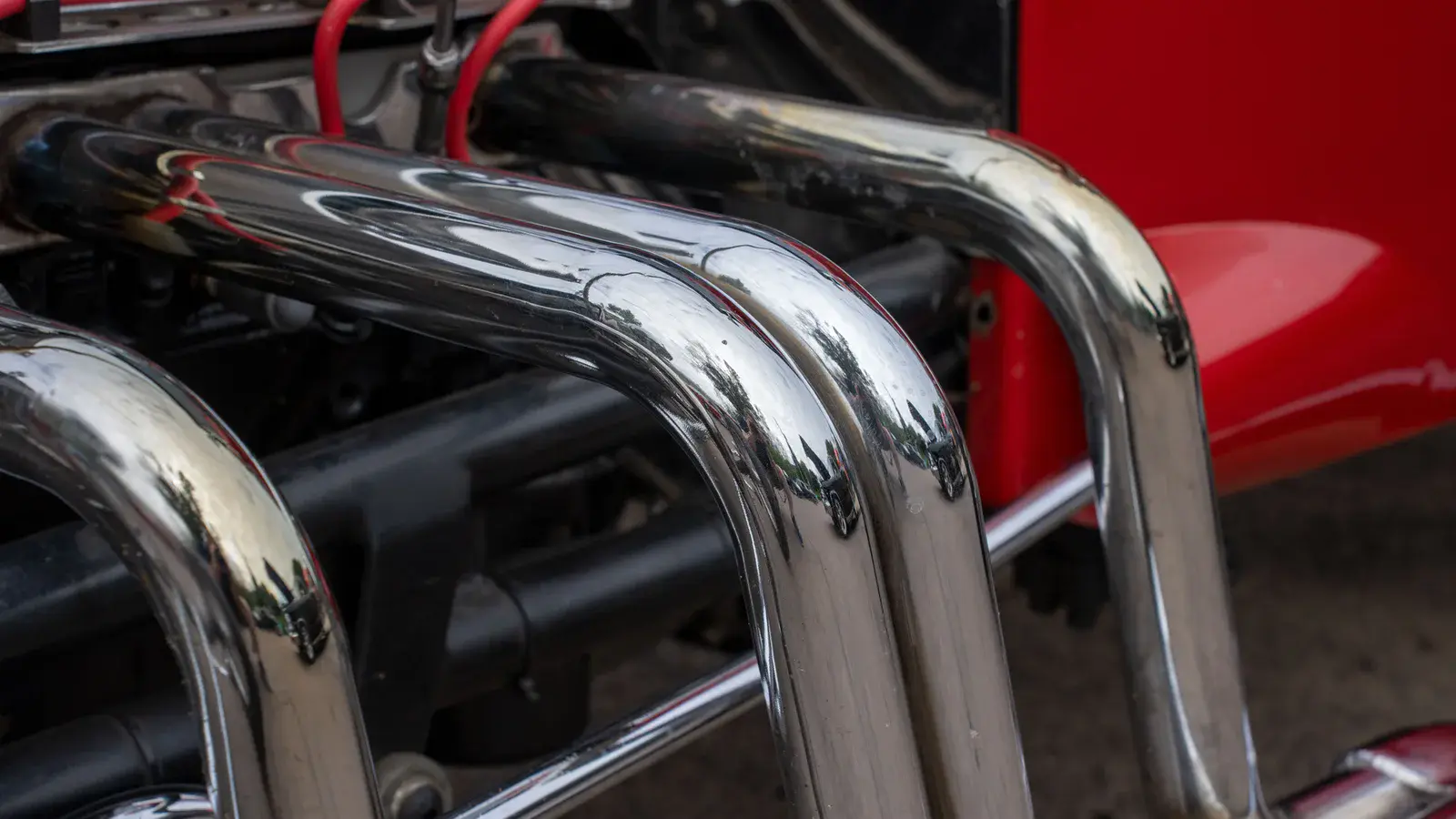
What Is a Chrome-Plated Shaft, and Why Is It Necessary?
A chrome-plated shaft (hard chrome shaft) is produced by grinding a steel rod and then plating its surface with hard chrome. This process gives the rod three things:
- Surface hardness: The hard chrome layer protects the rod against wear. This is the surface the seals continuously rub against — a soft rod scores quickly.
- Corrosion resistance: The chrome layer forms a barrier against moisture and rust — critical for cylinders operating outdoors.
- Low friction and surface quality: A smooth surface extends seal life and keeps motion running smoothly.
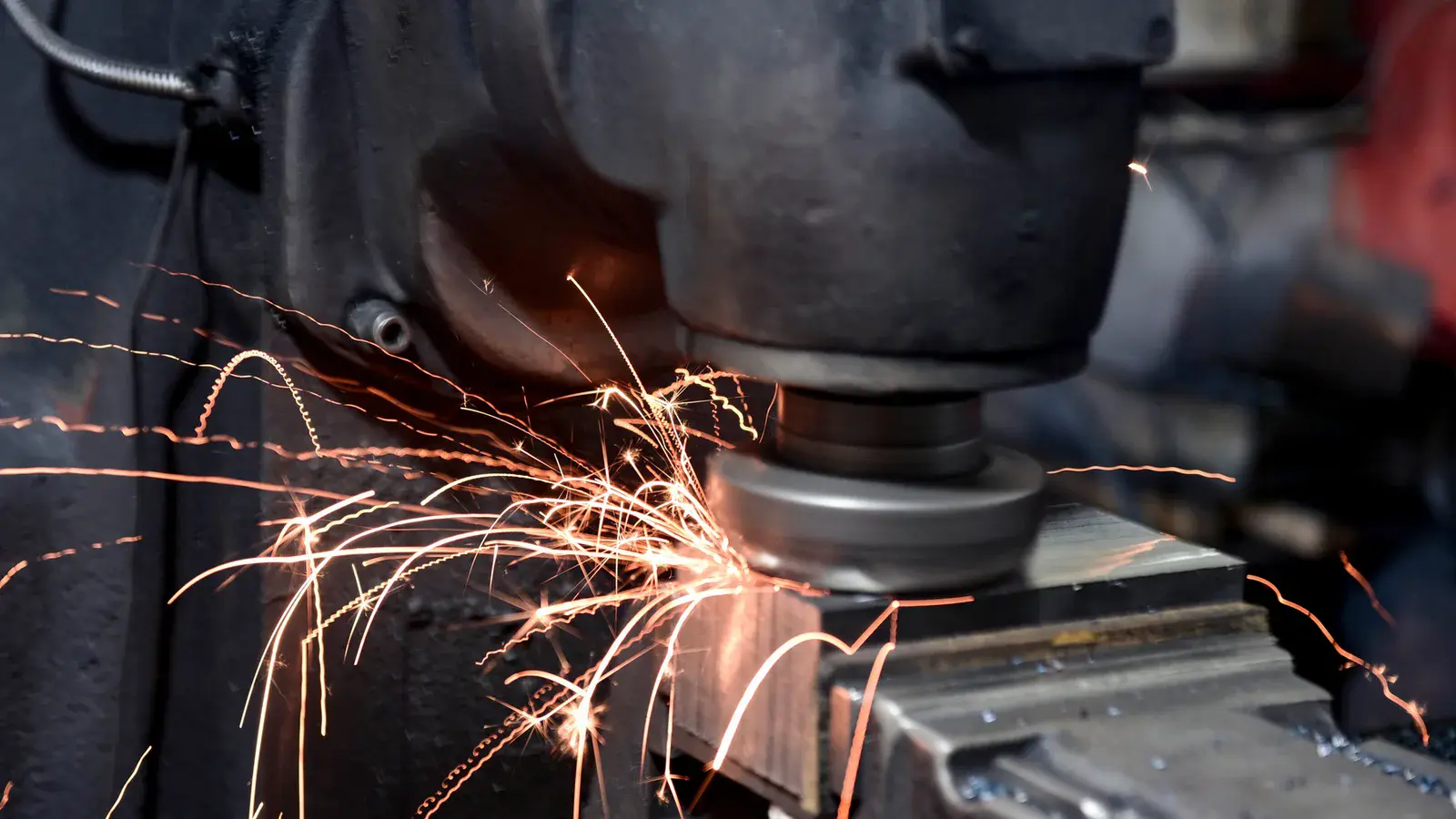
Chrome plating thickness and the grinding quality underneath it are the real substance of this work. Plating applied to a poorly ground rod doesn't hide the roughness underneath — the surface looks shiny but cuts into the seal. Likewise, a thin, porous coating flakes off at the first impact, and the steel beneath starts to rust. The label "chrome-plated shaft" isn't a quality guarantee on its own — what determines quality is the grinding and the coating's integrity. That's why we believe the source matters as much as the price when sourcing material, and we stand behind the material we use.
What Is a Honed Tube, and Why Does It Matter?
A honed tube is a cylinder body tube whose inner surface has been brought to a precise dimension and given a specific surface texture through a special grinding process called honing. Inside the cylinder, the piston moves along this surface, and the piston seal seals against it too.
What honing gives a cylinder:
- Dimensional precision: The bore is held within tolerance and stays consistent along its full length. In an out-of-round or tapered tube, the seal can't provide the same sealing at every point.
- A controlled surface texture: Honing leaves crosshatch marks on the surface; these marks hold a thin oil film that stops the seal running dry. A mirror-smooth surface holds no oil and is actually worse for the seal.
- Longer seal life: The right surface texture slows seal wear.
- Smooth motion: Sticking and jerky motion (stick-slip) are reduced.
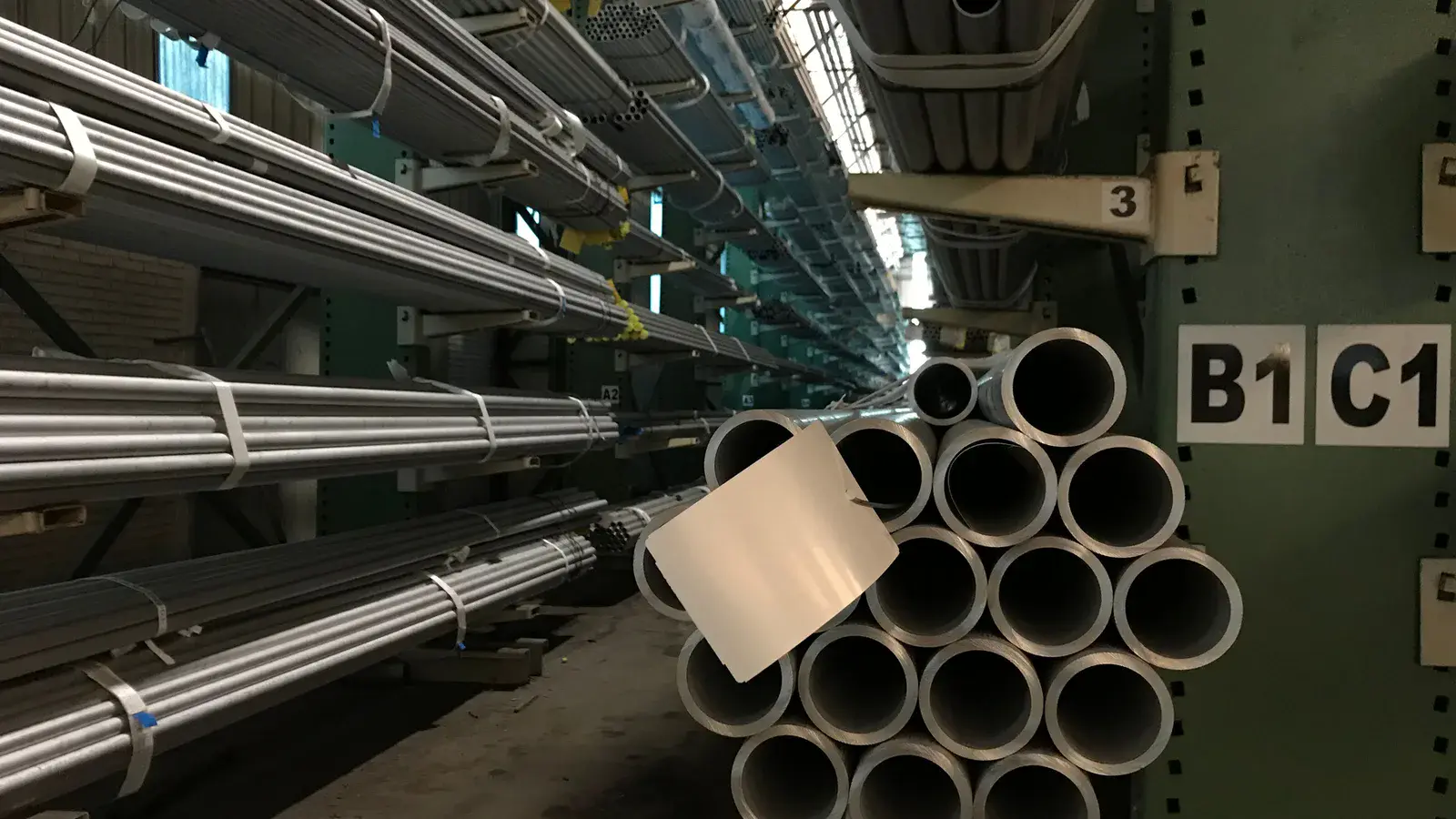
This is why checking the tube's inner surface is essential during any cylinder overhaul. Fitting a new seal to a scored or out-of-tolerance tube only delays the problem by a few months. It's also why we spell out our recommendation for the tube bore in every overhaul quote — we want our customers to know exactly what they're paying for.
Hard Chrome Plating: How It's Done, and What to Look For
Hard chrome plating is a hard metal layer applied to a shaft's surface by an electrolytic process. It's completely different from decorative chrome, where the goal is shine — here the goal is hardness and corrosion resistance.
What determines coating quality:
- Substrate preparation: The plating takes the shape of the surface beneath it. Plating applied to a poorly ground rod doesn't hide the roughness — it looks shiny but cuts the seal.
- Coating thickness: Too thin a coating won't stand up to impact and wear; too thick a coating risks cracking. The right value depends on the application.
- Adhesion quality: On a poorly prepared surface, plating flakes off. This is the most common coating fault we see.
- Porosity: Micro-pores lead to corrosion; a quality coating keeps these to a minimum.
- Post-plating grinding: Final dimension and surface quality come from grinding after plating.
Most of the "chrome flaking off the shaft" cases we see in the field come down to inadequate preparation before plating. That's why where and how a shaft's plating is done matters when the shaft is being renewed — and it's a subject where we stand behind the source we work with.
A shaft with flaking chrome can be replated. The sequence is: strip the existing plating, grind the surface, replate, then grind to final dimension. If the damage runs deep or the shaft is bent, manufacturing a new shaft is the better call instead.
Honing: The Least Talked-About but Most Decisive Step
Honing is a grinding process that gives a tube's inner surface both precise dimension and a controlled texture. What sets it apart from ordinary grinding is the crosshatch pattern it leaves on the surface.
These marks aren't accidental — they serve a specific purpose:
- Holding an oil film: The crosshatch marks hold oil at a microscopic scale. This film stops the seal from running dry against the surface.
- Friction control: The surface must be neither too rough (it cuts the seal) nor too smooth (it holds no oil).
- Dimensional precision: The bore is held within tolerance along its length.
- Roundness: The cross-section must stay circular — going out of round breaks the seal.
A misconception we run into often: "the shinier, the better." In fact a mirror-polished surface is worse for the seal, because it holds no oil. The goal isn't maximum smoothness — it's the right texture.
Honing has one limit: the process slightly enlarges the bore. Honing enough to rescue a deeply scored tube can push the diameter outside what the seal will tolerate. So it's not right to say "we'll just hone it" without measuring first. We share the measurement result and the options openly, and we flag the risk clearly on parts that are right at the edge of what can be saved.
Material Intake and Quality Control
We believe the source matters as much as the price when it comes to sourcing material. What we check on incoming material:
- Dimensional verification: Diameter, length and tolerance, using micrometres and callipers.
- Surface inspection: Scratches, impact marks, coating irregularities or porosity.
- Straightness: Bend and runout checks on shafts. A shaft bent in storage is scrap before it's even been used.
- Tube bore: Presence and evenness of the honing marks, and the bore dimension.
- Corrosion: Rust or staining from storage.
- Material match: Whether the material that arrived matches the quality requested.
These checks are carried out before we use material in our own production — and the same checks apply to material we sell to other workshops. We don't give anyone material we wouldn't use in our own work.
Storage matters just as much: shafts are kept horizontal and supported (their own weight can bend them), tube bores are protected, and material is kept dry. These details have a direct effect on the quality of the material we deliver.
What We Offer
Our services around chrome-plated shafts and honed tubes:
| Service | Scope | Who It's For |
|---|---|---|
| Material supply | Chrome-plated shaft / honed tube in the diameter and length you need | Workshops running their own manufacturing |
| Cutting to length | Cutting and end preparation to your specified length | Manufacturers working project by project |
| Shaft manufacturing | Ground, chrome-plated shaft production, end-fitting work | Businesses rebuilding cylinders |
| Shaft grinding | Rescuing surface-scratched shafts | Overhaul work |
| Hard chrome plating | Replating shafts that have lost their chrome | Those looking for an economical overhaul |
| Tube honing | Machining scratched / out-of-tolerance tubes | Anyone overhauling cylinders |
| Complete cylinder manufacturing | From raw material to finished product | Anyone wanting a turnkey solution |
So we both supply the material and manufacture the finished product from it. If you have your own workshop, buy the material and machine it yourself; if not, hand us the whole job. Either way we work with the same care — the material we supply to other workshops is the same material we use in our own production.
Choosing Shaft Diameter: The Logic of Buckling Calculations
Choosing shaft diameter is a balance between two forces: pull-force loss and buckling resistance.
- Thin shaft: Little loss of pull force (less cross-section subtracted from the area), but buckling risk is high.
- Thick shaft: Safe against buckling, but pull force drops noticeably and cost rises.
Buckling is when a long, thin shaft bends under a push load. It's not a gradual failure — past the limit, the shaft suddenly bows and the cylinder becomes unusable. Factors that raise the risk:
- A long stroke combined with a thin shaft
- High push force
- A single-point (cantilever) mounting
- The load being off-centre from the axis
- The cylinder left extended horizontally for long periods
You don't need to run this calculation yourself. Tell us the stroke, the force and the mounting type, and we'll work out the right shaft diameter. But it's worth knowing this: a thin shaft chosen on a "the force is enough" basis for a long-stroke application can come back six months later bent out of shape.
When ordering material, describe the application too — saying "Ø50 shaft" alone isn't enough; telling us where it will be used prevents the wrong selection. This information costs us nothing to give, and it saves you directly.
Choosing the Right Material
Shaft and tube selection changes with where the cylinder will operate. What we look at when deciding:
- Working pressure: Determines tube wall thickness and material grade. Higher pressure calls for a calculated wall thickness.
- Stroke length: Long strokes raise buckling risk; shaft diameter is sized up accordingly.
- Side load: If force perpendicular to the shaft is present, bearing support and shaft diameter are increased.
- Environment: If moisture, chemicals or salt are present, chrome plating alone may not be enough; a stainless solution is considered.
- Temperature: High temperature affects both material and seal choice.
- Cycle count: On heavily used cylinders, surface quality becomes even more critical.
We make these choices on your behalf. Just describe your application — we calculate and recommend the shaft diameter and tube wall thickness you need. Our aim isn't to sell you the most expensive material, it's to give you the right one for your job. A shaft that's thicker than it needs to be, or a tube that's thinner than it should be, both cost the customer in the end.
Shaft and Tube Damage: What Can Be Saved?
The surface damage we see most often on cylinders coming in for overhaul, and our options for each:
| Damage | Cause | Fix |
|---|---|---|
| Surface scratching on the shaft | Dust exposure, worn wiper seal | Can be rescued by grinding |
| Chrome flaking off | Weak plating, impact, corrosion | Replating or a new shaft |
| Bent shaft | Side load, impact, excess stroke | Straightening if mild; a new shaft if advanced |
| Corrosion pitting on the shaft | Moisture, chemicals, coating damage | Plating or a new shaft, depending on depth |
| Scratching inside the tube | Particles in the oil, a broken guide band | Can be rescued by honing (within limited depth) |
| Tube gone out of round | Excessive side load, impact | Usually unrecoverable; a new body is needed |
| Corrosion inside the tube | Water-contaminated oil, long idle periods | Honing if surface-level; a new body if deep |
We don't recommend replacing a part that can be saved, and we don't send back a part that's beyond saving with a "it'll do" shrug. We share the measurement result and the options openly — we want you deciding with the facts in hand. On parts right at the edge of what's recoverable, we say the risk plainly: how much life you can expect after grinding, and how that compares to a new part.
Extending Shaft and Tube Life
Even the best shaft and tube wear out fast under the wrong conditions. Practices that extend life:
- Oil cleanliness: Particles in hydraulic oil sand down the tube's inner surface. Filtration is the single biggest factor in shaft and tube life.
- Wiper-seal checks: Once the component that keeps the shaft from carrying dirt inward is gone, damage starts fast; it's a cheap part that prevents expensive consequences.
- Correct alignment: A shaft under side load creates problems for itself, its bearing and its seal alike.
- Protecting idle equipment: On cylinders that will go unused for a long period, the shaft should be protected and, if possible, retracted.
- Impact protection: On shafts working exposed, a bellows or protective shield stops stone chips and impacts.
- Correct handling: Gripping a shaft with pliers or a wrench permanently damages the surface; assembly should use the proper method.
These simple precautions multiply a cylinder's working life. We share this information with the businesses we service and help them prevent recurring damage. The same cylinder coming back to the bench every six months is, to us, an unsolved problem too.
Material Selection by Application
The same-diameter shaft can have very different lifespans in different applications. When we recommend material, we look at where the part will operate:
| Application | Main Challenge | Recommended Material |
|---|---|---|
| Indoor, dry environment | Normal wear | Standard ground + hard chrome-plated shaft |
| Humid environment, occasional washdown | Corrosion risk | Thicker chrome plating or a stainless shaft |
| Food and washdown lines | Chemical cleaning | Stainless shaft (304/316), a suitable seal |
| Marine and shipyard | Salt air, chloride | Stainless 316 or a special coating |
| Heavy equipment, field use | Impact, flying debris, dust | Thick chrome plating, a strong wiper seal, protection |
| High-cycle lines | Continuous friction | High surface quality, hard chrome |
| High temperature | Thermal expansion, seal strain | Suitable material + heat-resistant sealing |
| Abrasive environment (marble, foundry) | Dust and particles | Hard surface + reinforced wiper seal |
On the tube side, working pressure is the deciding factor: wall thickness is chosen accordingly. A honed tube bore is also needed in almost every application — even in a low-pressure system, the seal still rides on the same surface.
Just describe your application. Saying "indoor use" alone isn't enough — is there washdown, what chemicals, what temperature, how many cycles — these details directly change the material decision.
Cutting to Length and Machining Services
Alongside supplying material, we also offer machining. What we provide for workshops:
- Cutting to length: Cut to the length you need; tell us your tolerance requirement and we'll cut to it.
- End machining: Threading, fork machining, joint eyes or special profiles on shaft ends.
- Centre drilling: For shafts that will be machined further later.
- Tube end machining: End-cap seating, threading, weld-prep.
- Shaft grinding: Dimensional correction or surface improvement.
- Tube honing: For scratched or out-of-tolerance tubes.
- Chrome plating: Plating a new shaft or renewing an existing one.
These services are especially valuable for companies with their own workshop that lack a particular machine. A maintenance shop without a honing machine, for example, can send us a tube to be honed and handle assembly themselves.
We know the typical sizes used by the workshops we work with regularly, which lets us shorten sourcing and machining time on repeat orders. If you have a regular need, let's discuss it upfront — we can support you with stock planning too.
Storing Material Correctly
Even quality material can deteriorate unused if stored wrong. If you keep material in your own workshop, here's what to watch for:
- Shafts horizontal and supported: Long shafts can bend under their own weight. Store on a flat surface with enough support points.
- Dry environment: Moisture can start corrosion at any weak point in the chrome plating.
- Surface protection: Factory protective coating or packaging should stay in place until the material is used.
- Protection from impact and friction: Shafts shouldn't rub against each other, and nothing should be placed on top of them.
- Tube bores: Keep the ends capped; dust and moisture getting in damages the honed surface.
- Keep stainless separate: Stainless material should be stored apart from carbon steel. Contact and swarf contamination starts rust.
- Labelling: Which material, which size, which grade — mix-ups lead to expensive mistakes.
These same rules apply in our own warehouse; the quality of the material we deliver depends directly on storage conditions. If you're ordering material that will sit for a while before use, let's talk about storage too.
The Real Cost of Cheap Material
Cutting corners on cylinder material is one of the most expensive false economies in industry. Here's a concrete look at why:
| Where You Save | At First Glance | What Actually Happens |
|---|---|---|
| Using an unhoned tube | Cheaper material | The seal wears out fast, the cylinder is back on the bench within months |
| Thin chrome plating | Small price difference | The coating flakes, the steel beneath rusts, the shaft has to be renewed |
| Poorly ground shaft | Looks shiny | Roughness cuts the seal; leaks start within weeks |
| Undersized diameter | Smaller, cheaper | The shaft buckles, the cylinder is scrapped |
| A cheap seal kit | Low line-item cost | Premature hardening and leaks; you pay for labour twice |
| Skipping the wiper seal | One small saving | Dirt getting in wears out both shaft and tube |
There's a common pattern across every row of that table: the amount saved is small, but what's lost is the part, the labour, and the time the machine sits idle. That's why we don't negotiate on material — we use the right material and explain the difference clearly. If your budget is tight, the answer isn't cutting corners on material — it's scoping the work correctly. We find, through measurement, which parts genuinely need renewing, so your budget goes to what's actually needed.
What You Need to Know When Ordering
To speed up your material order, having the following ready is enough. You don't need to know all of it — a sample or a photo does the job too:
- For a shaft: Outer diameter, overall length, end-connection detail (threaded, forked, joint eye), thread size and length.
- For a tube: Inner diameter, outer diameter (or wall thickness), length and working pressure. Bringing in a section of the old tube makes measurement even easier.
- Application details: Where will the cylinder operate, at what pressure, what stroke?
- Environment: Indoor or outdoor? Any exposure to moisture, chemicals or salt?
- Quantity: A single part or a production run? Sourcing plans change with quantity.
A calliper measurement is all you need to take yourself — we handle the precision measurement and the tolerance decision. Bringing in the old part is the most reliable approach: a worn shaft's dimension has already shifted, and pinning down the original size takes experience. We don't charge for that assessment. Taking measurements is a natural part of the job for us; we're glad to give you accurate information even if it doesn't turn into an order.
Who Do We Work With?
Our customer base on the material and machining side is fairly broad, and each group needs something different:
- Cylinder-manufacturing workshops: Regular shaft and tube supply; cutting to length and stock planning.
- Machine manufacturers: Shaft and body material specific to the machines they build.
- Maintenance and repair workshops: Per-part sourcing, grinding and chrome plating for overhaul jobs.
- Plant maintenance teams: Material for facilities that overhaul their own cylinders.
- Agricultural and heavy-equipment services: Renewing bent and scored shafts.
- Shipyards and marine-equipment companies: Requests for corrosion-resistant shaft and material.
This variety has taught us something: the same-diameter shaft lives very different lifespans in different jobs. That's why, when recommending material, we look at where the part will operate rather than at a catalogue. Describing your application is the shortest route to the right material. We know the typical sizes used by the workshops we work with regularly, which lets us shorten lead times on repeat orders.
How We Work With Workshops
Working with workshops that run their own manufacturing carries a particular value for us: we learn from the field which diameter is used in which job, and which tolerance causes problems where. That knowledge feeds back into improving our own cylinder production too.
What we offer workshops:
- Per-part supply: We work with orders for a single shaft or tube too — we don't set a minimum order requirement.
- Fast turnaround: Once you tell us what you need, we confirm stock status and lead time quickly.
- Repeat orders: We keep a record of the sizes you order regularly, so there's no need to re-measure on the next order.
- Machining support: We handle operations (honing, grinding, plating) that your own machinery can't.
- Technical advice: We answer questions on material selection or sizing — no order requirement attached.
- Stock planning: If you have a regular need, we can plan ahead on the sizes you use most often.
We don't see this as competition: a workshop manufacturing its own cylinders doesn't conflict with us acting as its material supplier. If anything, the whole industry working with the right material benefits everyone in the long run.
The same applies to plant maintenance teams: if you want to overhaul your own cylinder, we supply the material and offer guidance where needed. If you'd rather we handle the whole job, that's an option too — the choice is yours.
Shaft and Tube Glossary
Terms that come up in quotes and reports:
| Term | Meaning |
|---|---|
| Hard chrome plating | A hard layer applied to a shaft's surface, resistant to wear and corrosion |
| Honing | Precision grinding of a tube's inner surface; gives it both dimension and texture |
| Surface roughness (Ra) | A measure of how smooth a surface is |
| Tolerance | The permitted deviation in a dimension; critical for seal fit |
| Buckling | The tendency of a long, thin shaft to bend under load |
| Runout | The deviation of a shaft from its centre as it rotates or moves |
| Induction hardening | Heat-treating a shaft's surface to increase its hardness |
| Out-of-round | Deviation of a tube's cross-section from circular; breaks the seal |
| Guide band | A wear component that centres the piston inside the tube |
| Wiper seal | A component that stops the shaft carrying dirt and moisture inward |
You don't need to know these terms, but knowing what you're looking at when buying material or reading a quote works in your favour. Don't hesitate to ask — we're glad to explain. Speaking the same language also makes it easier to compare quotes from different suppliers.
Material and Machining Services in Izmir
Our workshop is at Mersinli Mah. 2843 Sk. No:15, Konak / İzmir, in the Mersinli industrial area of Konak. We provide material and machining services to manufacturing and maintenance workshops in Bornova, Işıkkent, Pınarbaşı, Çiğli OIZ, Kemalpaşa, Torbalı, Menemen and Aliağa.
Working with workshops that manufacture their own parts is valuable on our side too: we learn from the field which diameter is used in which job, and which tolerance causes problems where. That knowledge feeds back into improving our own cylinder production. Just tell us what material you need — we can confirm stock status and lead time right away.
If what you need isn't just material but a finished part, we can take on the whole job: measurement, material selection, machining, assembly and testing. That way you deal with a single point of contact instead of coordinating between different suppliers. Call for details: 0553 608 69 10. You don't even need to have decided between material and a finished part — just send us your measurements and we'll sort out the rest together.
Frequently Asked Questions
Can I just buy material, or do I have to have it machined too?
You can just buy the material. We supply chrome-plated shafts or honed tubes in the diameter and length you need, and we can cut to length if you want. Machining it in your own workshop is entirely up to you.
Can you renew my shaft after the chrome has flaked off?
Yes. The shaft's surface can be machined and replated with hard chrome. If the damage is deep or the shaft is bent, manufacturing a new shaft is the better call. The decision is made after measurement, comparing the costs.
Can you save my scored cylinder tube?
It depends on how deep the scoring is. Surface scratches can be removed by honing; but honing enlarges the bore slightly, so it can't be applied without limit. If the tube has gone out of round or the scratch is deep, a new body is needed.
What's the difference between a honed tube and a plain tube?
A plain tube's inner surface is neither dimensionally precise nor properly textured. A honed tube keeps the bore within tolerance and has a controlled surface texture that holds an oil film. A cylinder built with a plain tube starts leaking within a short time.
Do you supply stainless shafts as well?
Yes. We supply stainless shafts for food, chemical, water-treatment and marine environments, and we manufacture cylinders with this material. Describe your environment and we'll work out the right grade together.
I don't know the dimension of the shaft I have — what should I do?
Bring the shaft to our workshop, or send a photo. We take the measurement ourselves: diameter, length, end-connection detail and surface condition are determined. We don't charge for taking measurements.
How do I choose between a chrome-plated shaft and a stainless shaft?
The environment decides. In a dry, indoor environment, a chrome-plated shaft is sufficient and more economical. If moisture, chemicals or salt air are present, a stainless shaft is needed. In some applications, a chrome-plated stainless shaft combines both properties.
How should I store a long shaft?
Horizontally, with enough support points. Long shafts can bend under their own weight; a shaft supported at a single point or stood upright develops runout over time. It should also be stored dry and in its protective packaging.
Can I have you hone a tube and do the assembly myself?
Of course. We offer machining services on their own: send us the tube, we hone it, you handle assembly. The same applies to shaft grinding and chrome plating.
What's the lead time for material?
Common diameters are usually available quickly. Special diameters and long lengths can take longer; once you tell us what you need, we confirm stock status and lead time right away.
Why do some cylinders start leaking so quickly?
The most common cause is inadequate shaft or tube surface quality. An unhoned tube, a poorly ground shaft, or a thin chrome coating wears out even the best seal in a short time. The second most common cause is dirty oil and a worn-out wiper seal. If your cylinder is leaking earlier than expected, we'd recommend having the surfaces measured before replacing the seal.
Does grinding a shaft change its dimension — will the seal still fit?
Grinding reduces the shaft diameter slightly, so a correctly sized seal has to be chosen after grinding. Past a certain limit, seal fit is compromised and a new shaft is needed. After measurement we tell you clearly which route is appropriate.

İsmail Çevik is the founding partner of ÇevikSan. This content was prepared based on our workshop's hands-on manufacturing, repair and overhaul experience with hydraulic and pneumatic cylinders.
Last updated: August 27, 2026