
In Short
- How many years a cylinder runs without leaking comes down to two surfaces. Where does the bill for cheap material actually get paid?
- Topics covered in this article: The Two Surfaces That Decide a Cylinder's Life, Chrome-Plated Rods: Looking Shiny Isn't Enough, Honed Tubes: Why Surface Texture Matters, The Real Cost of Cheap Material, What Can Be Done About a Damaged Rod or Tube?.
- Our services related to this topic: Kromlu Mil ve Honlanmış Boru, Hidrolik Silindir İmalatı, Hidrolik Silindir Tamiri ve Revizyonu.
- On-site inspection is free within and around Izmir; a firm quote follows measurement.
In This Article9 sections
- The Two Surfaces That Decide a Cylinder's Life
- Chrome-Plated Rods: Looking Shiny Isn't Enough
- Honed Tubes: Why Surface Texture Matters
- The Real Cost of Cheap Material
- What Can Be Done About a Damaged Rod or Tube?
- Extending Rod and Tube Life
- Which Material Should You Choose? A Decision Guide
- Glossary of Terms
- Frequently Asked Questions
The Two Surfaces That Decide a Cylinder's Life
A hydraulic or pneumatic cylinder looks simple from outside: a tube, a rod, two caps. But how many years it runs without leaking is decided by two surfaces:
- The rod's outer surface: the rod seal seats against it and slides across it on every stroke.
- The body tube's inner surface: the piston seal seats against it and travels along it for the length of the stroke.
If either surface isn't good enough, no matter how expensive the seal you fit, it'll fail quickly. One of the sentences we hear most often on site is: "We changed the seal, but three months later it started leaking again." The answer is almost always one of these two surfaces.
Chrome-Plated Rods: Looking Shiny Isn't Enough
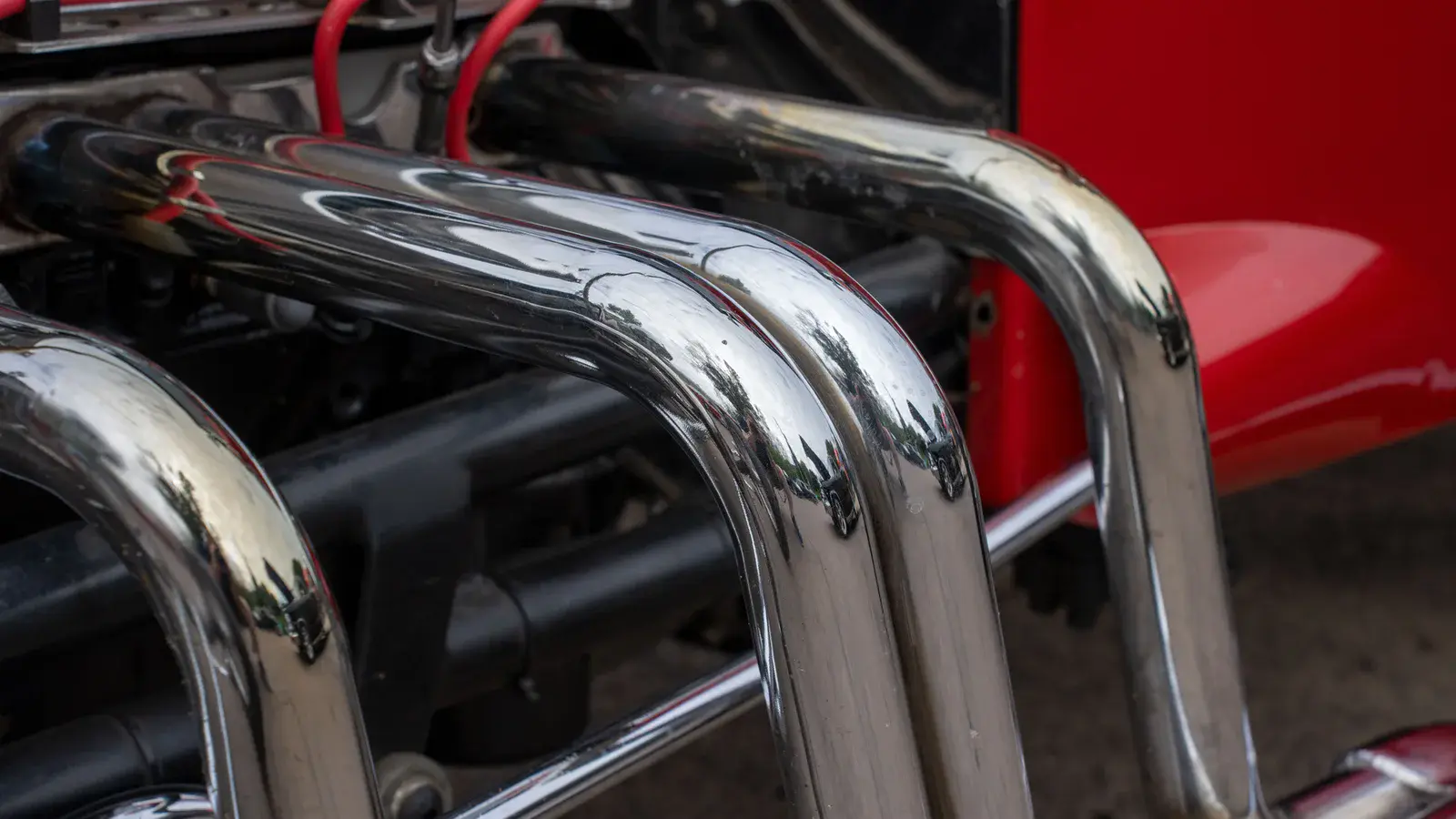
A chrome-plated rod is made by grinding a steel rod and plating its surface with hard chrome. That process delivers three things:
- Surface hardness: resistance to wear. This is the surface the seal constantly rubs against.
- Corrosion resistance: a barrier against moisture and rust.
- Low friction: a smooth surface extends seal life and makes motion smoother.
But the "chrome-plated" label on its own is no guarantee of quality. What actually determines it is two things: the grinding quality underneath the plating and the integrity of the plating.
Plating applied over a poorly ground rod doesn't cover the roughness underneath — the surface looks shiny but cuts the seal anyway. A thin, porous plating flakes off at the first impact, exposing the steel underneath, which then starts to rust.
Honed Tubes: Why Surface Texture Matters
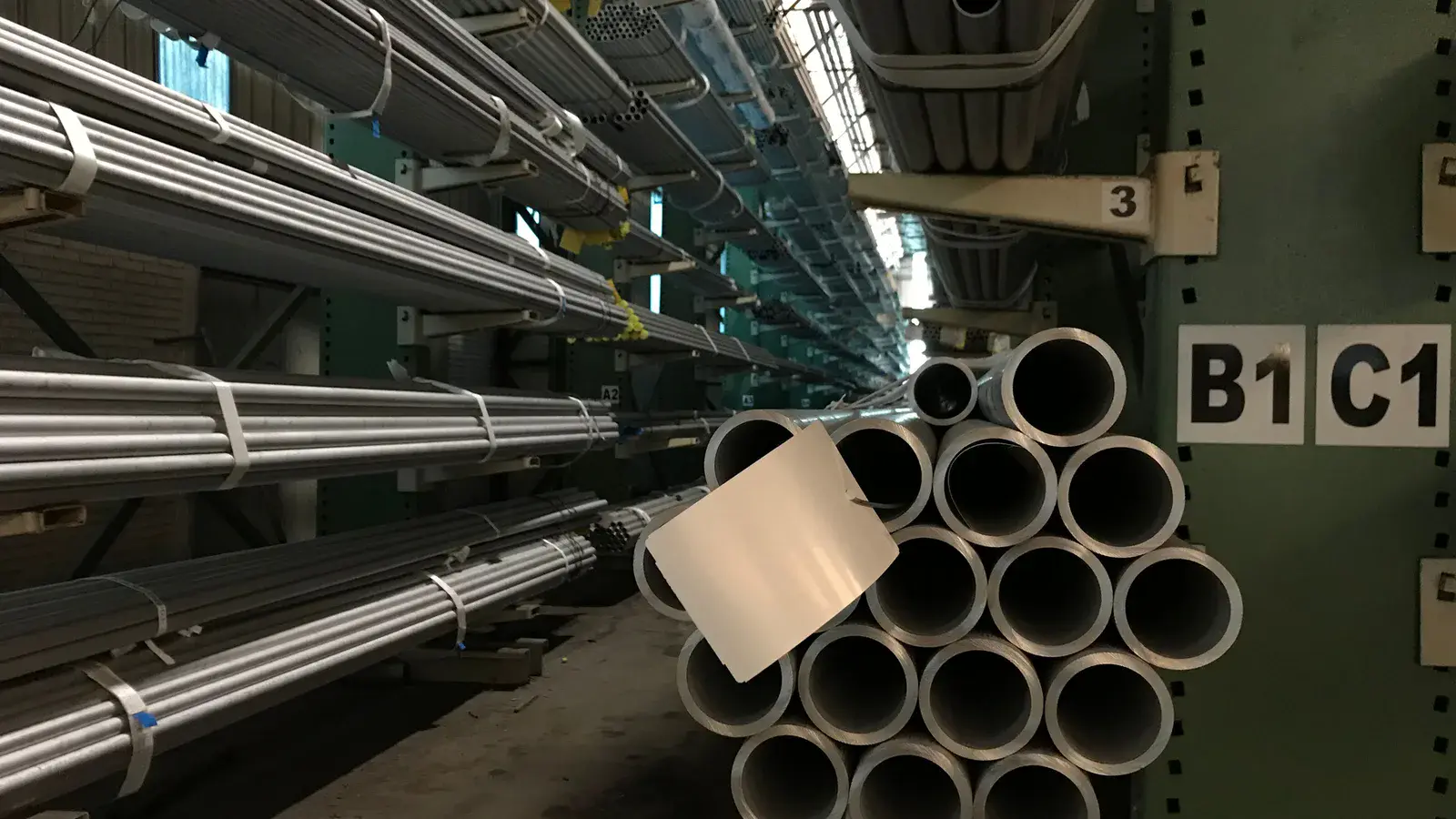
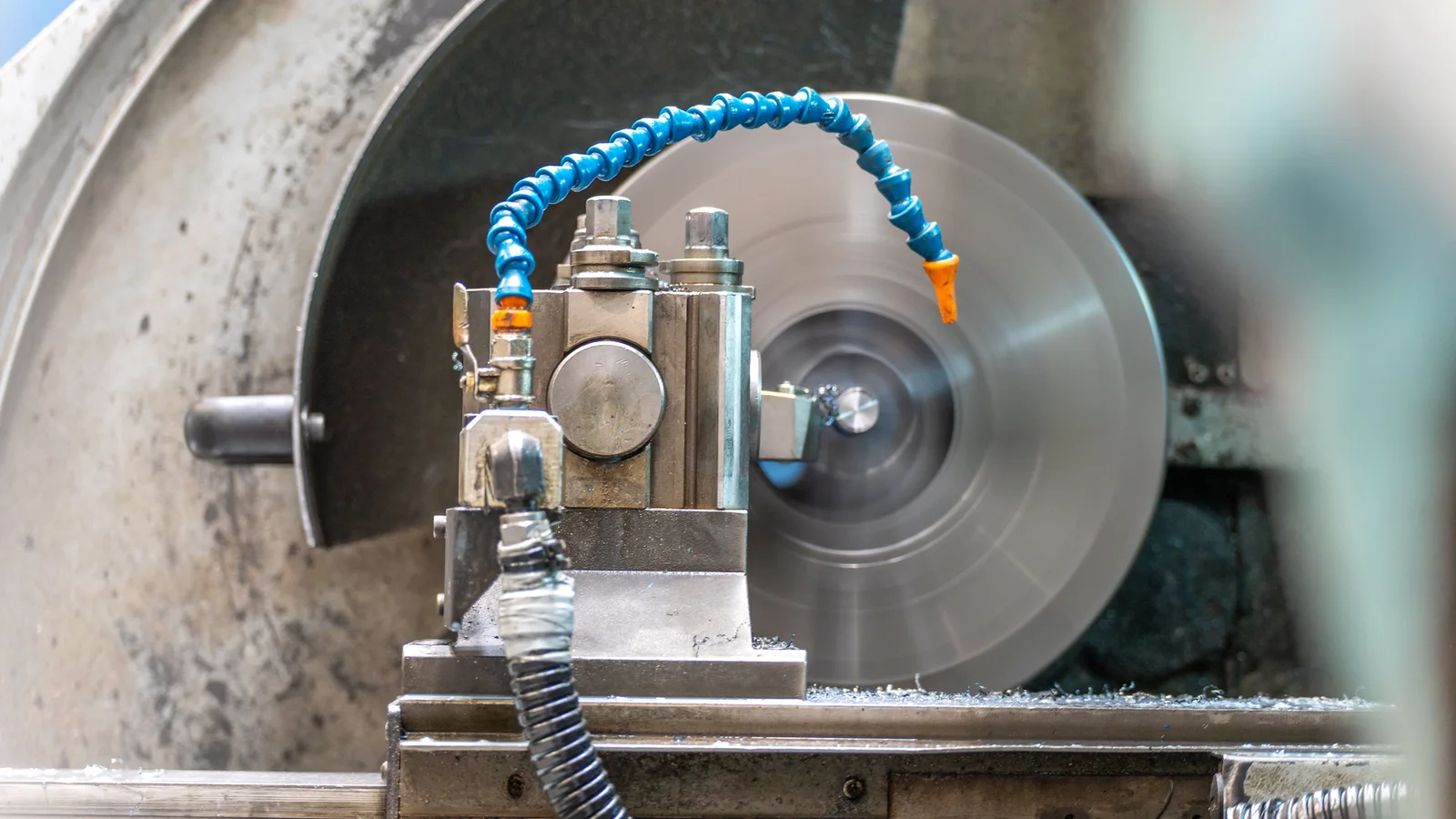
Honing is a special grinding process applied to a tube's inner surface that brings it both to a precise dimension and a specific texture. It delivers two gains:
- Dimensional precision: the inner diameter stays within tolerance and consistent along its length. In an ovalised or tapered tube, the seal can't provide the same sealing at every point.
- Controlled surface texture: honing leaves crosshatch marks on the surface. These marks hold a thin oil film that keeps the seal from rubbing dry.
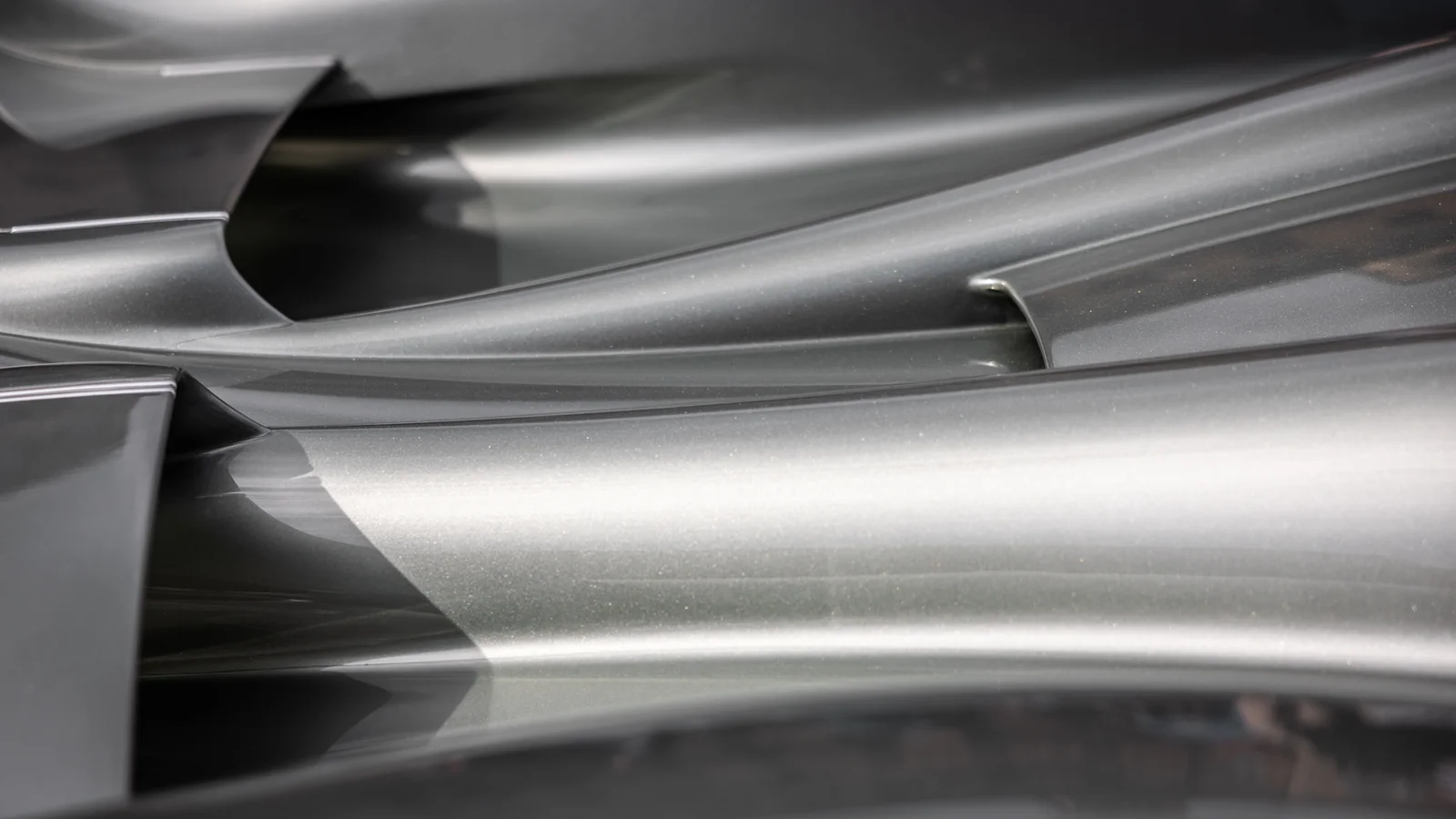
An interesting point: a mirror-polished surface is actually worse for the seal. Because it doesn't hold oil, the seal rubs dry and wears out fast. The goal isn't the smoothest possible surface — it's the correctly textured one.
The Real Cost of Cheap Material
Cutting corners on cylinder material is one of the most expensive choices you can make in industry. Let's line up where the savings happen against what's actually lost:
| Where It's Cut | At First Glance | What Actually Happens |
|---|---|---|
| Unhoned tube | Cheaper material | The seal fails fast; the cylinder is back on the bench within months |
| Thin chrome-plated rod | Small price gap | The plating flakes, the steel underneath rusts, the rod needs replacing |
| Poorly ground rod | Looks shiny | Roughness cuts the seal; the leak starts within weeks |
| Undersized bore | Smaller, cheaper | The rod buckles, the cylinder is scrapped |
| Cheap seal kit | Low line-item cost | Early hardening and leaks; labour gets paid for twice |
| Skipping the wiper | A small saving | Dirt getting in wears out both the rod and the bore |
The same pattern repeats in every row: the amount saved is small, but what's lost is the part, the labour, and the time the line spends down. Put the price of a cylinder side by side with the daily cost of a line stopped because of it, and it becomes obvious why the right material is cheap, not expensive.
What Can Be Done About a Damaged Rod or Tube?
The most common surface damage we see on cylinders in for a rebuild, and the options:
| Damage | Cause | Fix |
|---|---|---|
| Surface scratches on the rod | Dust, worn wiper | Can be recovered by grinding |
| Chrome flaking off | Weak plating, impact, corrosion | Replate with chrome, or a new rod |
| Bent rod | Side load, impact, excess stroke | Straightening if light; a new rod if advanced |
| Corrosion pitting on the rod | Moisture, chemical, damaged plating | Plating or a new rod, depending on depth |
| Scratches inside the tube | Particles in the oil, a broken guide band | Recoverable by honing (within limits) |
| Tube ovality | Excessive side load, impact | Generally unrecoverable; needs a new body |
| Corrosion inside the tube | Water-contaminated oil, long idle periods | Honing if surface-level; a new body if deep |
An important limit: honing enlarges the inner diameter somewhat, and grinding shrinks the rod diameter. Neither can be applied without limit; past a certain point seal fit is lost and a new part is needed. That's why saying "we'll just hone it" without measuring first isn't accurate.
Extending Rod and Tube Life
Even the best material wears out fast under the wrong conditions. Practices that extend life:
- Clean oil and air: particles sand down surfaces. Filtration is the single biggest factor in rod and tube life.
- Wiper checks: it's a cheap part, but once it wears out the rod starts carrying dirt in — preventing costly consequences.
- Correct alignment: a rod under side load creates problems for itself, its bushing and its seal.
- Protecting idle equipment: the rod on cylinders that will sit unused for a long time should be protected, ideally retracted.
- Impact protection: on exposed rods, a bellows or protective sheath prevents flying debris and impact.
- Correct handling: gripping the rod with pliers or a pipe wrench permanently damages the surface.
These simple precautions multiply a cylinder's life and require no investment.
Which Material Should You Choose? A Decision Guide
Material choice depends on where the cylinder will operate. Criteria to look at when deciding:
| Working Environment | Rod Choice | Tube Choice | Reasoning |
|---|---|---|---|
| Dry, enclosed factory | Ground + hard chrome | Honed steel tube | Low corrosion risk; the standard solution is enough |
| Damp, occasional washdown | Heavier chrome or stainless rod | Honed tube | The rod area is affected most |
| Food, daily washdown | Stainless rod | Stainless or protected tube | Chemical cleaning wears down a standard surface |
| Marine, salt air | 316 stainless | Stainless tube | Chloride is one of the most aggressive environments |
| On-site, dust and impact | Heavy chrome + strong wiper | Solid wall thickness | Impact and abrasive dust are the deciding factors |
| High cycle count | High surface quality | Well-honed tube | Continuous friction — surface is critical |
| High temperature | Standard + heat-resistant seal | Suitable wall thickness | Temperature dictates seal material |
As you can see, the decision doesn't hinge on a single criterion. Sometimes the rod is stainless and the tube standard; sometimes it's the reverse. The goal isn't using the most expensive material — it's choosing what fits the environment.
When ordering material, don't just give a dimension — describe the application too. Saying "Ø50 rod, 1200 mm" isn't enough on its own; knowing where it'll be used prevents the wrong choice. This information costs you nothing but saves you directly.
Glossary of Terms
Terms that come up in quotes and reports, explained:
| Term | What It Means |
|---|---|
| Hard chrome plating | A hard, wear- and corrosion-resistant layer applied to the rod surface |
| Honing | Precision grinding of a tube's inner surface; delivers dimension and texture |
| Surface roughness (Ra) | A measure of how smooth a surface is |
| Tolerance | The permitted dimensional deviation; critical for seal fit |
| Buckling | The tendency of a long, thin rod to bow under load |
| Runout | How far the rod deviates from centre as it moves |
| Induction hardening | Heat-treatment hardening of the rod surface |
| Ovality | Deviation of the tube's cross-section from round; disrupts sealing |
| Guide band (wear band) | The wear element that centres the piston inside the tube |
| Wiper | The element that keeps the rod from carrying dirt and moisture in from outside |
You don't need to know these terms — but knowing what you're looking at when buying material or reading a quote works in your favour. It also makes it easier to compare quotes from different suppliers.
Frequently Asked Questions
Why do some cylinders start leaking so quickly?
The most common cause is inadequate rod or tube surface quality. An unhoned tube, or a poorly ground or thin-chrome rod, wears out even the best seal in short order. The second most common cause is dirty oil/air and a worn wiper.
If the rod is ground, does its size change — will the seal still fit?
Grinding shrinks the rod diameter slightly, so a matching seal size needs to be chosen afterward. Past a certain limit seal fit is lost and a new rod needs to be manufactured. We'll tell you clearly which path fits after measurement.
Can I just buy the material without having it machined?
Yes, you can buy material only. We supply chrome-plated rod or honed tube in the diameter and length you need; we can also cut to length if you'd like. Machining it in your own workshop is entirely up to you.
What's the difference between honed tube and ordinary tube?
An ordinary tube's inner surface is neither precisely dimensioned nor properly textured. A honed tube has an inner diameter within tolerance and a controlled texture that holds an oil film. A cylinder built with ordinary tube starts leaking quickly.
Our Services on This Topic
More From the Guide

İsmail Çevik is the founding partner of ÇevikSan. This content was prepared based on our workshop's hands-on manufacturing, repair and overhaul experience with hydraulic and pneumatic cylinders.
Last updated: August 27, 2026