
Summary
- Our Hydraulic Power Unit Manufacturing service covers Izmir and the surrounding region; site surveys and fault diagnosis are free.
- We provide a firm quote after removal and measurement; no work starts without your approval.
- Manufacturing and repair are done in the same workshop — we produce equivalent replacements for parts that are no longer available.
- Every part is pressure-tested before delivery; workmanship is guaranteed.
- Topics covered on this page: Hydraulic Power Unit Design and Manufacturing in Izmir, Why Is the Power Unit the Heart of the System?, Unit Components and Choosing Them Correctly, How Does Custom Hydraulic Unit Design Work?, Circuit Design: The Brain of the Unit.
Table of Contents23 sections
- Hydraulic Power Unit Design and Manufacturing in Izmir
- Why Is the Power Unit the Heart of the System?
- Unit Components and Choosing Them Correctly
- How Does Custom Hydraulic Unit Design Work?
- Circuit Design: The Brain of the Unit
- Safety Components: Not Optional
- Energy Efficiency: The Unit's Invisible Cost
- Commissioning and Training
- Correct Sizing: Tank, Pump and Motor
- Where Is a Custom Unit Required?
- Manufacturing Quality: What We Pay Attention To
- Extending Your New Unit's Lifespan
- Choosing the Pump Type: Defines the System's Character
- Heat Management: The Unit's Silent Enemy
- Which Sectors Do We Manufacture Units For?
- Cost: What Determines the Price?
- What We Need From You During Ordering
- Modernising an Existing Unit
- Maintenance Access and Long-Life Design
- Unit Needs by Sector
- Hydraulic Unit Glossary
- Why ÇevikSan?
- Frequently Asked Questions
Hydraulic Power Unit Design and Manufacturing in Izmir
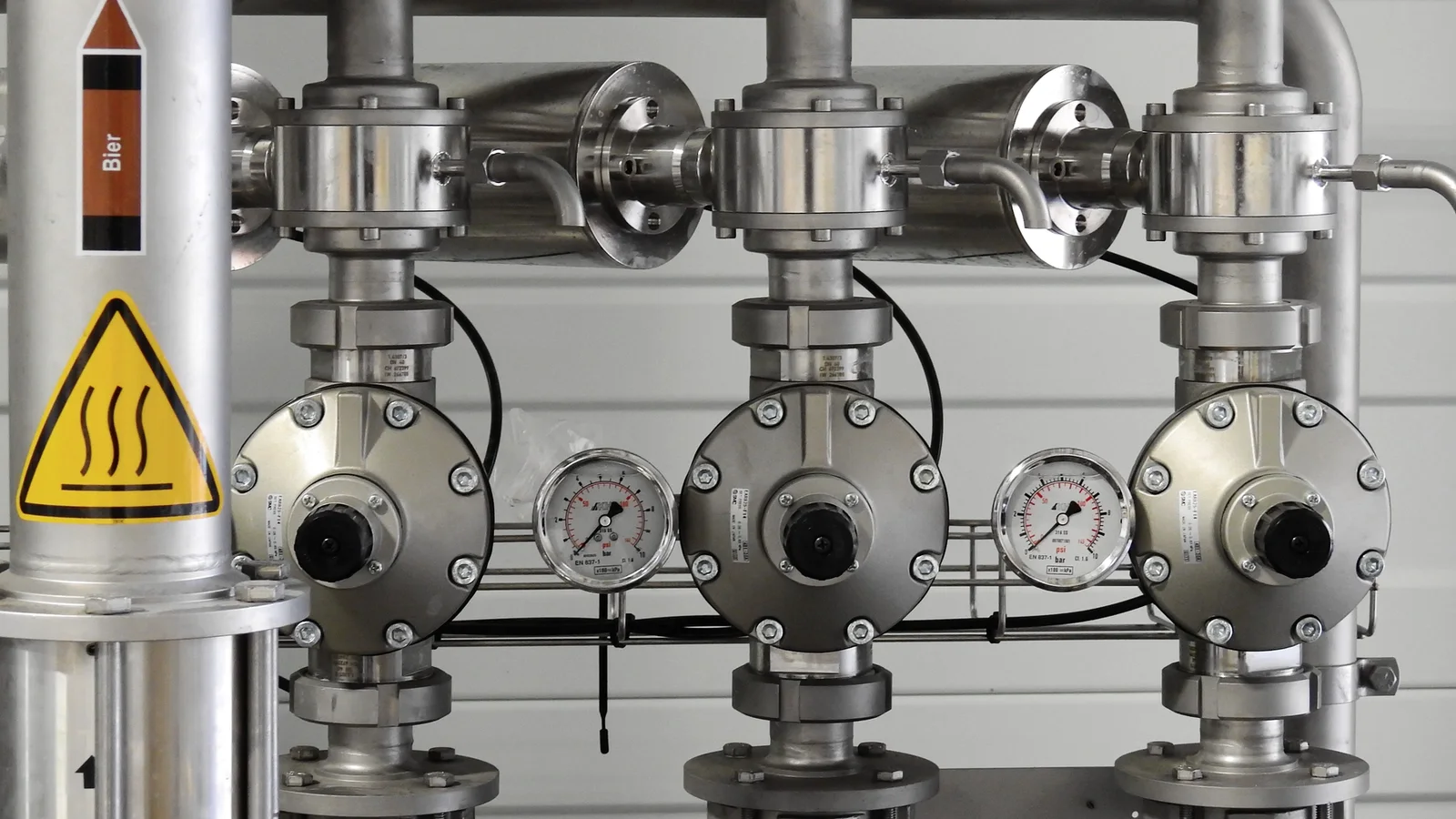
A hydraulic power unit is the heart of a hydraulic system: it stores the oil, pressurises it, and delivers the flow the system needs, where it's needed, when it's needed. However good the cylinder is, if the unit behind it is poorly designed, the system either can't produce enough force or keeps overheating and failing. At ÇevikSan we carry out hydraulic power unit manufacturing and custom hydraulic unit design in Izmir — we size the unit to your actual application and build it in our Mersinli workshop.
Power unit manufacturing isn't something you pick from a catalogue. How many tonnes of force, how many seconds per cycle, how many hours of continuous operation, what ambient temperature — every one of these changes the tank volume, the pump type, the motor power and the valve selection. We start by understanding your machine and your process; the result is a unit that's neither oversized nor undersized, built to fit your job exactly.
Why Is the Power Unit the Heart of the System?
A hydraulic power unit (HPU) is, at its core, an integrated power source made up of an oil tank, an electric motor, a hydraulic pump, a valve group and control components. The cylinders and motors in the system are fed from this unit. Its jobs are:
- Storing and conditioning the oil: The tank isn't just a reservoir — it lets the oil cool, release entrained air, and lets contaminants settle out.
- Generating pressure: The pump converts the electric motor's rotation into flow; resistance in the system is what creates pressure.
- Managing flow: Valves route the oil to the right line and set the speed and sequence of motion.
- Safety: The relief valve protects against overpressure; pressure switches and gauges give you visibility and control.
- Filtration and temperature control: Filters keep the oil clean, coolers keep the temperature within limits.
When any one of these functions falters, the result shows up directly on the production floor: slowing cycles, overheating oil, leaks and unplanned downtime. That's why unit design is the part of the system that demands the most care. Changing a unit after it's installed is expensive; getting the decision right from the start only requires asking the right questions upfront.
Unit Components and Choosing Them Correctly
A power unit's performance comes from how well its components work together. The main items we consider in the design and what drives each choice:
| Component | Function | What Determines the Choice |
|---|---|---|
| Oil tank | Storage, cooling, air separation | Flow rate, duty cycle, ambient temperature |
| Electric motor | Drives the pump | Pressure × flow requirement, duty regime |
| Hydraulic pump | Generates flow | Gear / vane / piston — pressure and efficiency needs |
| Valve group (manifold) | Direction, pressure and flow control | Number of motions, sequencing, precision |
| Relief valve | Overpressure protection | System maximum pressure |
| Filters | Oil cleanliness | System sensitivity, contamination class |
| Cooler | Temperature control | Cycle intensity, ambient heat |
| Accumulator | Energy storage, shock absorption | Sudden flow demand, pressure fluctuation |
| Control panel | Electrical control | Automation level, safety requirements |
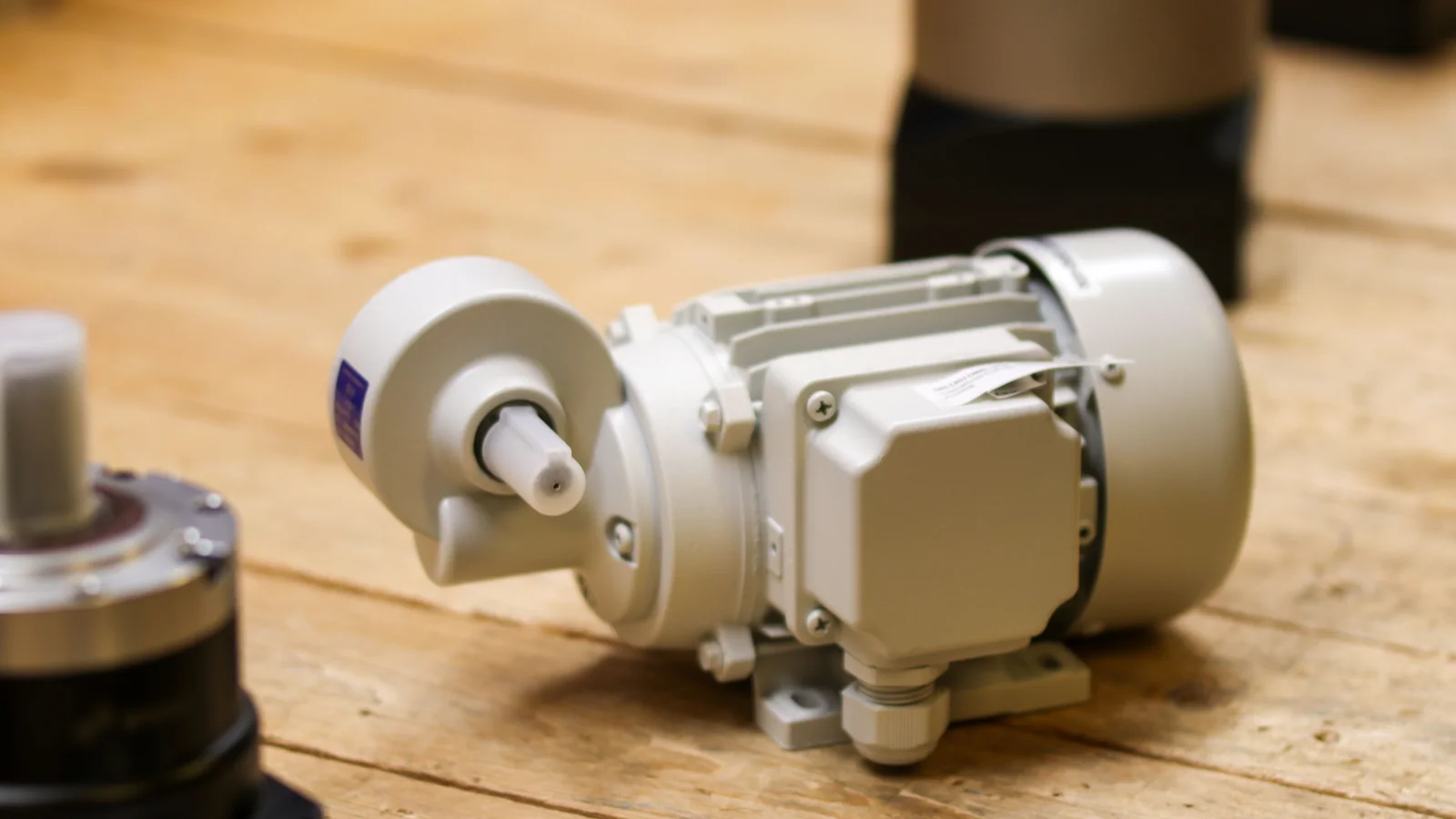
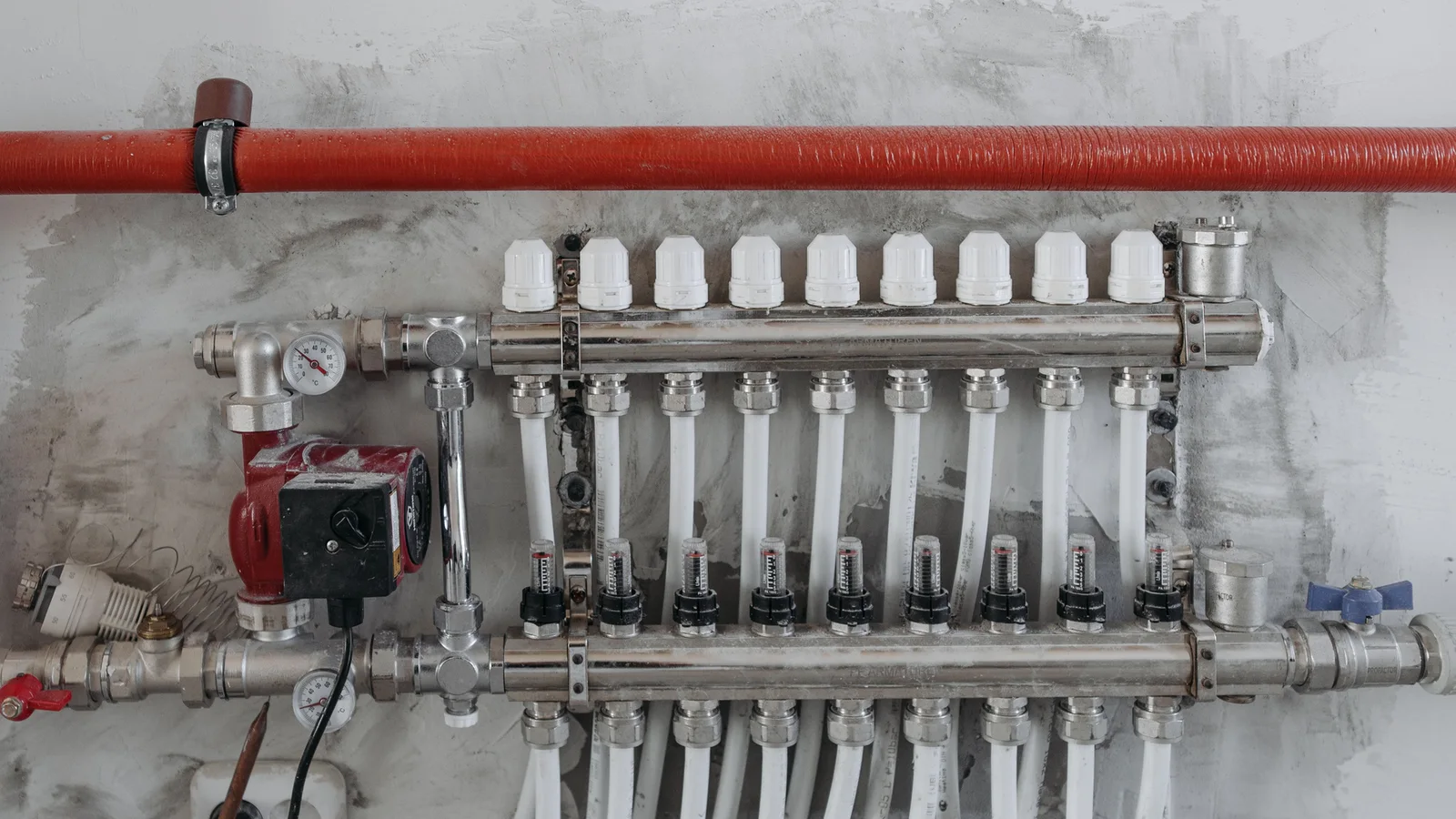
Getting the choice wrong is costly: an undersized tank heats the oil, an oversized motor burns electricity, and the wrong pump produces noise and lost efficiency. Finding the right combination takes field experience more than catalogue reading — that's exactly what we do. We provide the component list in writing with the quote; you can ask why any particular brand or part was chosen, and tell us if you have a preferred brand.
How Does Custom Hydraulic Unit Design Work?
Every unit starts with a question: "What is this unit going to do, in how much time, and how many times?" Here's how our process runs:
- Needs analysis: We establish the number of cylinders/motors to be fed, the force and speed required, the cycle time, daily operating hours and ambient conditions.
- Calculation and sizing: Pump, motor power and tank volume are calculated from the required flow and pressure; heat balance is assessed.
- Circuit design: The valve group, motion sequence and safety components are planned; a hydraulic circuit diagram is produced where needed.
- Manufacturing: The tank is built, mounting plates are prepared, components are installed, and pipe and hose connections are made.
- Electrical and control: Motor connections and control components are installed.
- Testing and commissioning: The unit is tested unloaded and under load; pressures are set, sealing and heating are observed.
- Delivery and training: The unit is installed on site, and we walk your team through operation and maintenance points.
We can also manufacture the cylinders that will work with the unit: when your hydraulic cylinder manufacturing and unit come out of the same workshop, compatibility issues don't happen — one point of contact, one line of responsibility.
Circuit Design: The Brain of the Unit
Choosing the components is half the job; connecting them correctly is the other half. Circuit design determines what the unit does and how it does it.
Questions we answer during design:
- How many motions are there? Every motion needs a valve. The more there are, the more complex the manifold becomes.
- Is sequencing required? Do the motions need to happen in a specific order? That calls for sequence valves or control logic.
- Will they run simultaneously? If more than one cylinder runs at the same time, total flow is calculated accordingly.
- Is speed control needed? Throttle valves or proportional control.
- Is load holding required? A holding valve is mandatory in lifting and pressing applications.
- Are multiple pressure stages needed? Different jobs can call for different pressure levels.
- How will emergency stop work? Safety logic is planned from the outset.
The circuit diagram is the unit's identity card. On complex systems we produce the diagram and share it with the customer — a valuable document for both commissioning and future maintenance. Years later, when a fault occurs, a plant that has its diagram on hand has a far easier time of it.
Safety Components: Not Optional
A hydraulic unit is a source of high pressure. Safety components are planned from the outset to protect both the system and the people around it:
| Component | Function | What Happens Without It? |
|---|---|---|
| Relief valve | Limits pressure, dumps excess back to tank | Hose rupture, component damage, a serious safety risk |
| Holding valve | Holds the load in position | A raised load descends on its own — the most dangerous fault of all |
| Pressure switch | Signals at a set pressure | The system can't be monitored, automation safety weakens |
| Pressure gauge | Displays pressure | Problems can't be measured, diagnosis becomes guesswork |
| Level and temperature gauge | Monitors oil condition | Low level and overheating go unnoticed |
| Emergency stop | Shuts the system down safely | Response to a hazard is delayed |
| Filter clog indicator | Reports filter condition | A filter that has gone to by-pass goes unnoticed |
Some of these components are line items on the quote. But we don't recommend cutting corners on any of them: a unit without a relief valve isn't cheap — it's dangerous.
We also check whether these components are still functioning properly on your existing units. A relief valve's setting can drift over time, a gauge can fail, a holding valve can stick. These are tested during periodic maintenance.
Energy Efficiency: The Unit's Invisible Cost
A unit's cost doesn't end with the purchase price — the electricity bill you pay every month is part of that unit's cost too. The decisions that determine efficiency are made at the design stage:
- Correct sizing: An oversized motor continuously produces power you don't need. This is the single most basic efficiency decision.
- Managing unloaded running: A circuit that lets the pump idle at low pressure when there's no work saves both energy and heat.
- Variable-displacement pump: Cuts flow back when it isn't needed. Pays for itself quickly in systems with long standby periods.
- Reducing line losses: Undersized pipe and excessive elbows create pressure drop; that loss is pure energy.
- Heat management: A system running hot consumes more energy. Correct tank volume and, where needed, a cooler contribute directly to efficiency.
- Filtration: A clogged filter means pressure loss; regular maintenance protects efficiency.
Energy-efficiency decisions often raise the initial investment somewhat but lower operating cost. If your system sits idle for long periods or runs continuously, we can work out together how many months it takes for that difference to pay for itself.
Commissioning and Training
A power unit isn't equipment you install and forget in a corner. It only delivers the expected benefit when it's installed and commissioned correctly. The process:
- Locating the unit: Its position is chosen with maintenance access, ventilation and line length in mind.
- Connections: Hydraulic lines and electrical connections are made; line sizes are checked.
- Oil fill: The correct oil is filled using clean equipment. A dirty funnel undoes months of filtration in a single step.
- Bleeding air: Air trapped in the system is purged. Residual air causes jerky motion, noise and pressure fluctuation.
- Staged pressure build-up: Starting at low pressure, checking for leaks, then rising to operating pressure.
- Adjustments: Relief valve, operating pressures and speed settings are made.
- Loaded test: The system is run under real load; heating, noise and smoothness of motion are observed.
- Training: We walk your team through operation, maintenance points and safety.
All these steps take a few hours on the first day, but they make a difference over the unit's entire lifetime. We provide installation and commissioning support within Izmir; we'd rather hand over a unit that's already running.
Correct Sizing: Tank, Pump and Motor
The most common mistake in unit sizing is the "bigger is safer" approach. An oversized unit means more investment, more electricity consumption and wasted floor space. An undersized one runs hot constantly and wears out early. The core relationships we look at when sizing a unit:
- Flow requirement: The cylinder's volume and the desired stroke time determine how many litres per minute of oil are needed. Fast motion means high flow.
- Pressure requirement: Cylinder bore and required force determine operating pressure. Higher pressure lets a smaller cylinder do the same job.
- Motor power: Determined jointly by pressure and flow, with an efficiency margin built in.
- Tank volume: As a rule of thumb, we target several times the pump's flow rate in volume; heavily used systems get a cooler as backup.
- Duty regime: Will it run continuously or intermittently? Continuous duty makes heat management critical.
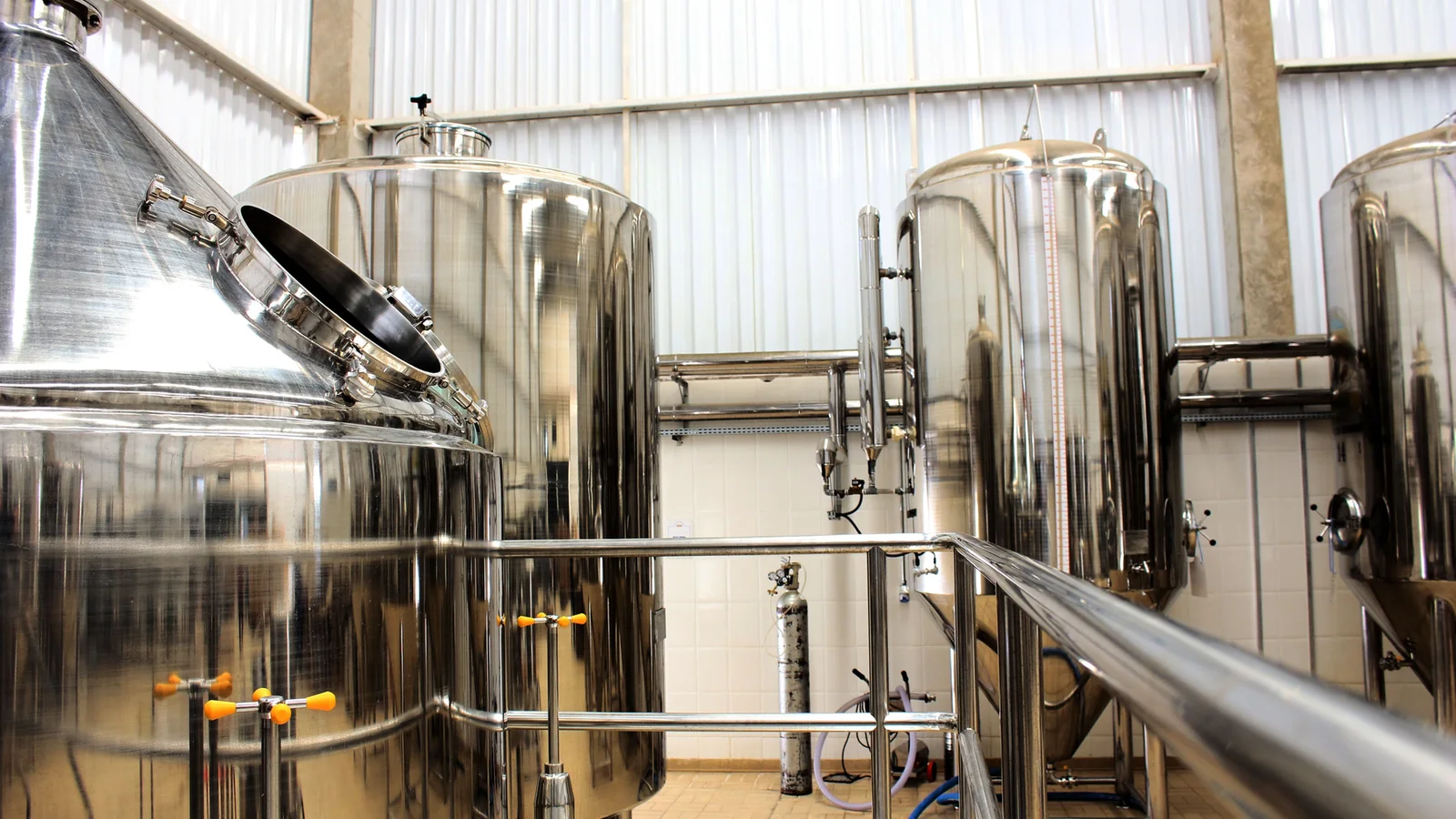
We do these calculations on your behalf. All we need from you is a description of the application: a sentence like "I need to lift this weight in this much time" is where the path to the right unit begins.
Where Is a Custom Unit Required?
Typical situations where an off-the-shelf unit falls short and a custom design becomes unavoidable:
- Custom machine building: A machine-specific unit for companies that build their own equipment; sizing, connections and control needs are entirely bespoke.
- Tight space constraints: Compact units that need to fit under or beside an existing machine.
- Multi-motion systems: When several cylinders operate in sequence or together, the valve group is custom designed.
- High cycle rates / continuous duty: Heavy-use applications where heat management and filtration become critical.
- Corrosive environments: Food, chemical and treatment plants require a stainless hydraulic power unit.
- Modernising an old machine: Building a new, efficient unit for a machine whose old one has reached the end of its life.
- Test and trial rigs: R&D and quality-control setups that need adjustable pressure and flow.
What all these needs have in common: an off-the-shelf product can only handle a custom job by making a compromise. And a compromise eventually comes back as a fault, wasted energy or dissatisfaction.
Manufacturing Quality: What We Pay Attention To
In unit manufacturing, the details you can't see determine what the system will look like years down the line. The points we take care over:
- Tank internal cleanliness: A tank left with weld slag and scale contaminates the system from day one. Our tanks are cleaned after fabrication.
- Suction line design: Calculated to prevent the pump from ingesting air and cavitating — the number-one factor in pump lifespan.
- Return line and dwell volume: The tank interior is arranged so returning oil can release its air and cool.
- Pipe and hose diameters: A narrow bore means pressure loss and overheating; sizes are chosen based on flow rate.
- Maintenance access: Filters, level gauges and drain points are placed where they're easy to reach. A unit that's hard to maintain doesn't get maintained.
- Vibration and noise: The motor-pump group is isolated with vibration mounts; coupling alignment is done carefully.
- Labelling: Pressure values, oil type and connection points are marked, protecting the user from the wrong intervention.
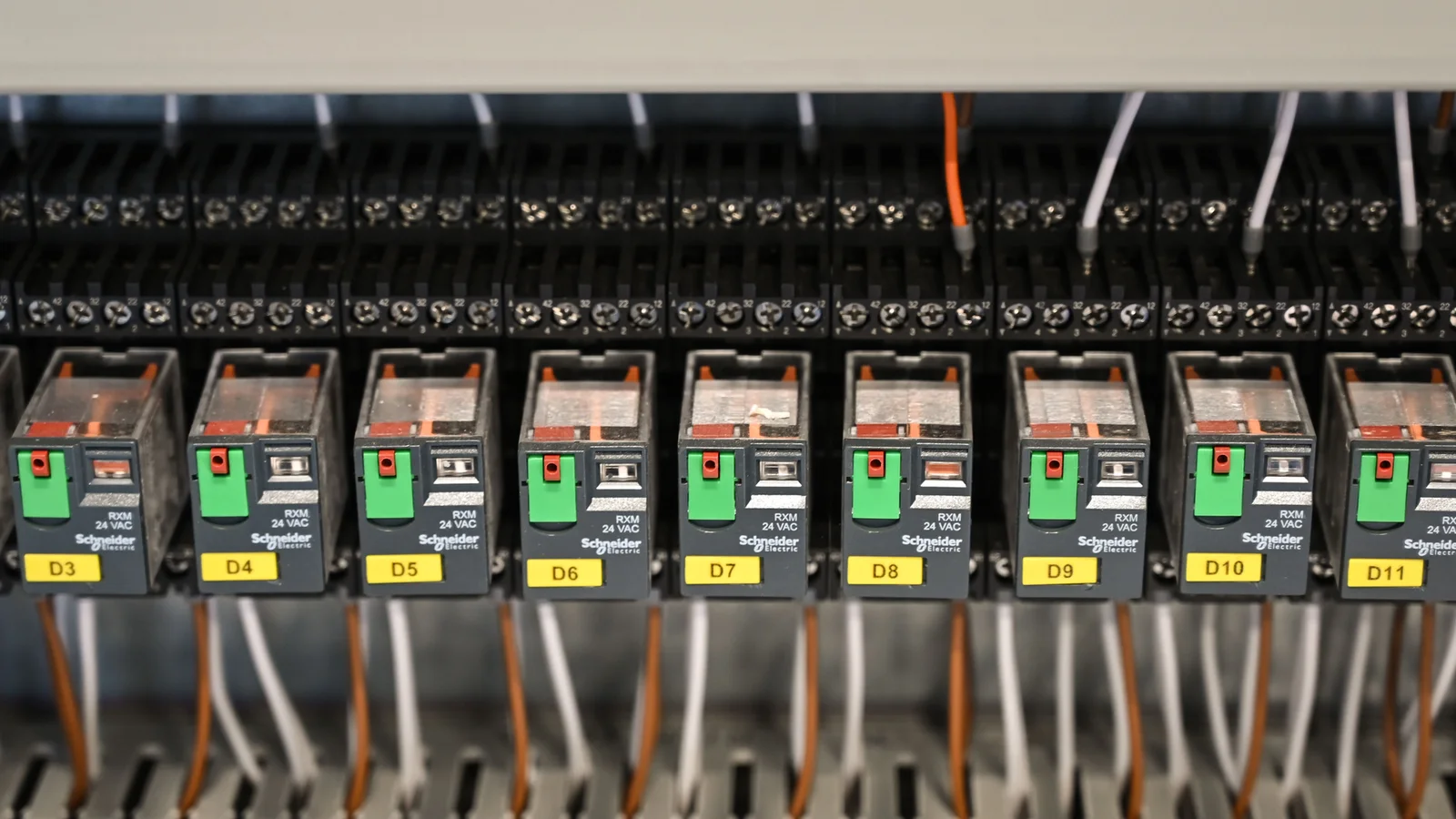
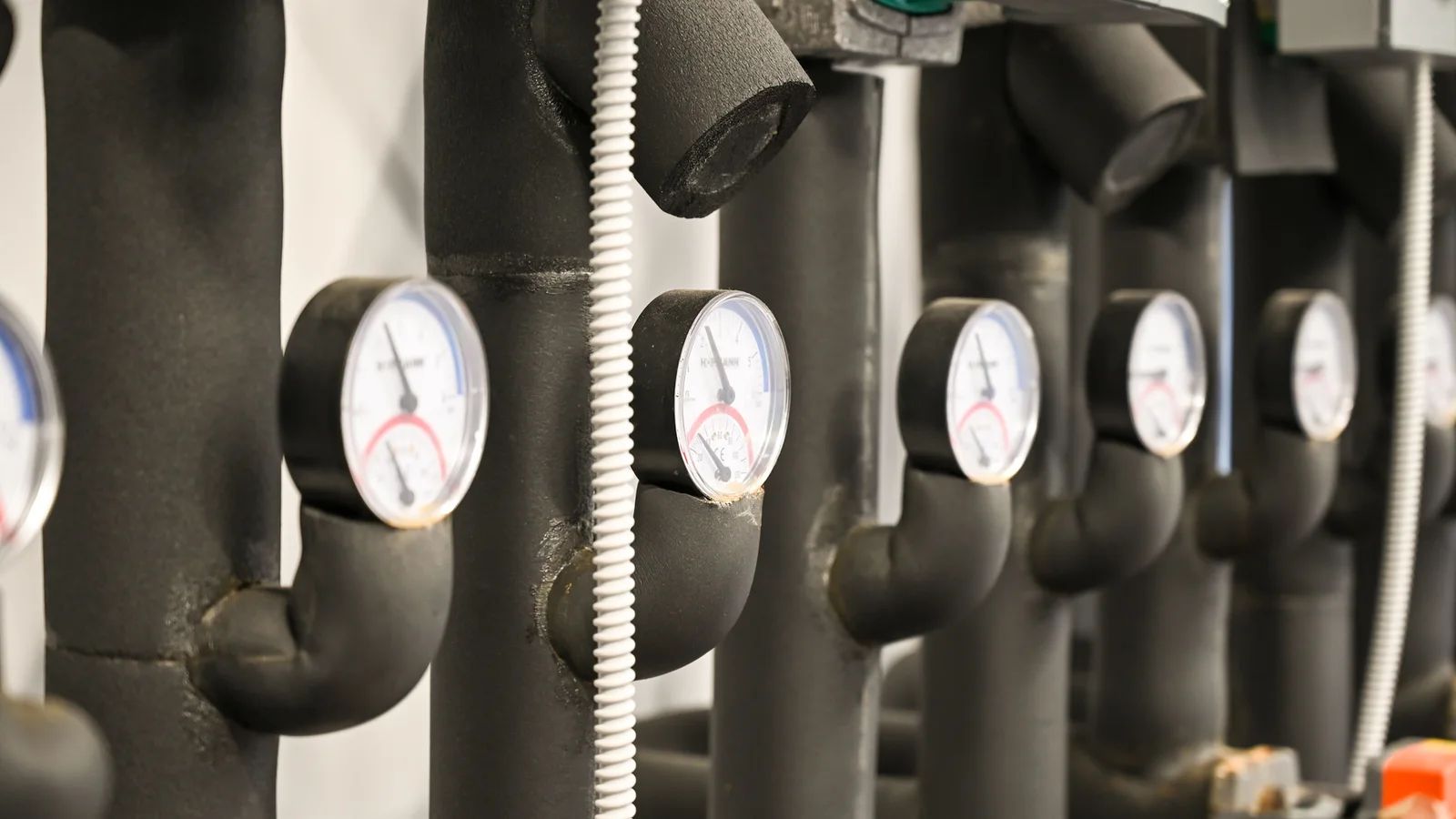
These details don't show up in the quoted price, but they show up in operating cost every month. Our preference is to get it right from day one.
Extending Your New Unit's Lifespan
A well-built power unit runs for decades with proper maintenance. The core maintenance habits we share with every unit we deliver:
- Oil analysis and changes: Oil is the system's blood. If its colour has darkened or its smell has changed, it needs replacing.
- Filter tracking: A clogged filter strains the pump; replace it as the contamination indicator directs.
- Temperature monitoring: A unit running above normal is telling you something's wrong.
- Level checks: A dropping level means a leak; the source needs to be found.
- Leak scanning: Fittings and hose connections should be checked periodically.
- Pressure-setting checks: The relief valve's setting shouldn't be allowed to drift over time.
We're also there for maintenance and repair: our hydraulic power unit repair and overhaul service covers your existing units too. Businesses that sign up for a periodic maintenance agreement virtually eliminate unplanned downtime.
Choosing the Pump Type: Defines the System's Character
More than any other component, pump type defines a unit's character. The wrong pump means noise, overheating and wasted energy. A comparison of the three types most commonly used in industry:
| Pump Type | Strength | Limitation | Typical Use |
|---|---|---|---|
| Gear pump | Simple, economical, tolerant of contamination | Moderate pressure limit, fixed flow | General-purpose units, presses |
| Vane pump | Quiet running, smooth flow | Sensitive to oil cleanliness | Bench and machine tool units |
| Piston pump | High pressure, high efficiency, variable flow | Higher investment cost | Heavy duty, systems where energy efficiency matters |
Variable-displacement piston pumps save energy by cutting flow back when it isn't needed; they pay for their extra cost quickly in systems that run continuously or wait for long stretches. On the other hand, a simple gear pump in an intermittently used basic press is both sufficient and economical. We tell you which is right by looking at your duty regime — we recommend the correct one, not the expensive one.
Heat Management: The Unit's Silent Enemy
A significant share of hydraulic-unit faults come, directly or indirectly, from temperature. An overheating unit is telling you something:
- Oil life shortens: As temperature rises, oil oxidation speeds up; it loses its protective properties, and sludge and varnish begin to form.
- Viscosity drops: Thinning oil increases internal leakage; the system spends more energy to do the same job, and efficiency falls.
- Seals harden: Sealing elements lose their flexibility and leaks begin.
- Part wear accelerates: The oil film thins and metal-to-metal contact increases.
The source of overheating is usually in the design: an undersized tank, insufficient dwell volume, a narrow return line, unnecessary pressure throttling, or a missing cooler. That's why in manufacturing we calculate tank volume and internal layout deliberately, and specify a cooler for systems that will see heavy duty. If your existing unit is overheating, let's find out why before you buy a new one — the fix is often not a new unit, but the right intervention.
Which Sectors Do We Manufacture Units For?
Izmir's industry is diverse, and every sector's expectations of a hydraulic unit differ. Our main areas of manufacturing and each sector's standout requirement:
- Metalworking and press shops: High force, repeatable cycling and safe pressure control. Safety components stand out for press units.
- Plastic injection plants: Continuous duty, heat management and precise pressure control; filtration quality is critical.
- Marble and natural stone: Water, dust and an abrasive environment; corrosion protection and robust filtration are required.
- Food and beverage production: Hygiene and cleaning chemicals; stainless solutions and an easy-to-clean layout.
- Packaging and paper: High cycle counts, low noise and an expectation of uninterrupted operation.
- Agricultural and livestock machinery: Outdoor conditions, simple maintenance and durability are the priorities.
- Shipyard and port equipment: Salt-laden environment, heavy loads and safety requirements.
- Custom machine builders: A unit design fully matched to the machine, for companies that build their own equipment.
Tell us your sector and your operating conditions, and we'll design the unit to match. A correctly designed unit means fewer faults, less energy use and a longer life from day one.
Cost: What Determines the Price?
Knowing what each line item on a unit quote represents makes it easier for you to decide. The headings that determine cost:
- Motor power and pump type: One of the biggest line items. A piston pump is noticeably more expensive than a gear pump, but it saves energy.
- Tank volume and material: Painted steel or stainless? As volume increases, so does material and labour.
- Valve group complexity: The number of motions, sequencing needs and whether proportional control is required directly affect cost.
- Safety and monitoring components: Relief valve, holding valve, pressure switch, gauges.
- Cooling: Systems that will run continuous duty need a cooler.
- Electrical panel and automation: A wide range, from simple controls to a PLC-driven system.
- Filtration level: Sensitive systems need better filtration.
- Installation and commissioning: Site work and training.
We break these items out in our quote; you can ask why any given component was chosen. If budget is tight, the answer isn't to cut corners on the items that determine safety and lifespan — it's to scope the job correctly: which features are truly needed, and which are merely "nice to have"? We can work through that distinction together.
What We Need From You During Ordering
The information we need to design the right unit. You don't need to know all of it — just describe your application, and we'll ask the rest:
- What will it do? Which machine or mechanism will it feed?
- How many motions? How many cylinders or hydraulic motors will it supply?
- Force requirement: The force needed for each motion, or your existing cylinder dimensions.
- Speed/time: How many seconds should each motion take to complete?
- Duty regime: Continuous or intermittent? How many hours a day, how many cycles?
- Environment: Ambient temperature, humidity, dust, chemicals, washdown?
- Space constraints: Where will the unit go? Any size limit?
- Electrical infrastructure: Existing panel capacity and voltage.
- Automation: Manual control, or an automatic system?
If you're renewing an existing unit, the job is even easier: let us see the old unit, take its nameplate data, and pull the connection dimensions. The new unit drops straight into the old one's place with no changes needed to the machine.
The site survey is free within Izmir. A single visit to your facility is usually enough for us to discuss the right solution.
Modernising an Existing Unit
Not every need calls for a brand-new unit. If a unit's housing and tank are still sound, renewing its internal components is often a more economical and faster solution. What we do as part of a modernisation:
- Pump and motor renewal: Cutting energy consumption with efficient components; renewing an aging group.
- Valve group update: Renewing worn valves, moving to proportional control where needed.
- Control modernisation: Renewing old control systems, adding safety components.
- Adding cooling: Adding a cooler to systems suffering from overheating.
- Filtration improvement: Adding a better filter group and a contamination indicator.
- Tank cleaning and renewal: Removing sludge and varnish; repairing the tank's interior surface if needed.
- Re-sizing: Adapting the unit if the machine's needs have changed.
The decision to modernise is made after inspecting the existing unit's condition. If the tank and chassis are sound, renewing the internal components gives the unit a long second life. But if it keeps failing, uses too much electricity, or parts can't be found, a new unit may be the right call — we present both options with their price and leave the decision to you.
Maintenance Access and Long-Life Design
A large share of what determines how many trouble-free years a unit will run are design details that don't show up in the quoted price. The points we take care over in manufacturing:
- Suction line design: Calculated to prevent the pump from ingesting air and cavitating. Cavitation is enemy number one for pump lifespan, and it's usually caused by poor suction design.
- Return line and dwell volume: The tank interior is arranged so returning oil can release its air and cool. If the suction and return are too close together, the oil never gets to settle.
- Tank internal cleanliness: A tank left with weld slag and scale contaminates the system from day one. Our tanks are cleaned after fabrication — this step isn't negotiable for us.
- Pipe and hose diameters: A narrow bore means pressure loss and overheating; sizes are chosen based on flow rate.
- Maintenance access: Filters, level gauges, drain and fill points are placed where they're easy to reach. If reaching the filter takes half a day of teardown, that filter never gets changed.
- Vibration isolation: The motor-pump group is isolated with mounts; coupling alignment is done carefully. Vibration causes both noise and premature wear.
- Labelling: Pressure values, oil type and connection points are marked. This protects the user from the wrong intervention.
At first glance these details look minor, but they show up in operating cost every month. A unit that's easy to maintain gets maintained; one that's hard to maintain gets neglected and fails early. Our preference is to get it right from day one.
Unit Needs by Sector
Izmir's industry is diverse, and every sector's expectations of a unit differ. Our main areas of manufacturing:
| Sector | Standout Need | Design Decision |
|---|---|---|
| Metalworking and presses | High force, repeatable cycling | Powerful pump, relief and holding valve, robust control |
| Plastic injection | Continuous duty, precise pressure | Good heat management, quality filtration, proportional control |
| Marble and natural stone | Water, dust, abrasive environment | Corrosion protection, strong filtration, protected panel |
| Food and beverage | Hygiene, washdown, cleaning chemicals | Stainless tank, high-protection-class panel |
| Packaging and paper | High cycle count, low noise | Quiet pump type, vibration isolation |
| Agriculture and livestock | Outdoor conditions, simple maintenance | Rugged build, easily accessible maintenance points |
| Shipyard and port | Salt-laden environment, heavy load | Stainless solutions, high safety margin |
| Custom machine building | Full match to the machine | Tank sized to spec, custom valve group, integrated control |
Describing your sector and operating conditions is the shortest path to the right design. In a unit that will run in a food plant, for example, your cleaning procedure matters as much as material choice; in a marble workshop, the priority is filtration and corrosion protection.
A correctly designed unit means fewer faults, less energy use and a longer life from day one. These decisions are made at the design table — fixing them afterward is always more expensive.
Hydraulic Unit Glossary
Let's briefly explain the terms that come up in quotes and technical conversations, so we speak the same language and make the right decision together:
| Term | What It Means |
|---|---|
| Flow rate (l/min) | The volume of oil the pump delivers per minute; determines motion speed |
| Pressure (bar) | The oil pressure in the system; determines force |
| Cavitation | The pump failing to draw enough oil; causes noise and rapid wear |
| Viscosity | The oil's flow resistance; changes with temperature |
| Manifold | The block the valves are mounted on; keeps the circuit compact |
| Relief valve | A safety component that limits pressure; protects the system from rupture |
| Accumulator | A component that stores pressurised oil; meets sudden flow demand |
| Cooler | A unit that lowers oil temperature; essential in heavily used systems |
| Contamination class | A measure of particle content in the oil; determines system lifespan |
| Unloaded running | The unit turning over without doing work; wasted energy if unnecessary |
You don't need to know any of these terms — we speak your language. But for customers who want to see what's what while reading a quote, we find this table useful. If another term comes to mind, don't hesitate to ask.
Why ÇevikSan?
Reasons to choose us for hydraulic power unit manufacturing in Izmir:
- Design, manufacturing and service together: The team that designs the unit is the same team that builds it and later maintains it.
- The cylinder is ours too: When the unit and cylinder come out of the same workshop, compatibility issues don't arise; the system is designed as a whole.
- No survey fee: On-site inspection within Izmir is free.
- A clear quote: Components, power ratings and lead time are set in writing from the start; no work begins without your approval.
- Tested delivery: No unit leaves our workshop without being tested.
- Guaranteed workmanship: Our manufacturing work is delivered with a workmanship guarantee.
Our workshop is at Mersinli Mah. 2843 Sk. No:15, in the Mersinli industrial district at the heart of Izmir; we serve every industrial district, including Bornova, Işıkkent, Pınarbaşı, Çiğli OIZ, Kemalpaşa, Torbalı, Menemen and Aliağa. Call us to talk through your project: 0553 608 69 10. A few minutes on the phone is usually enough to clarify exactly what you need.
Frequently Asked Questions
How long does hydraulic power unit manufacturing take?
It depends on the unit's complexity and how long the components take to source. A mid-sized unit built from standard components is typically delivered within a few weeks; projects requiring a custom valve group or a large tank can take longer. We confirm the lead time in writing once the design is approved.
I don't have a technical spec, I just know what I want to do. Is that enough?
More than enough. A description like "I need to lift this weight in this much time" or "this press's unit needs replacing" is all we need. We handle the calculations, component selection and circuit design.
Can you renew the unit on my existing machine?
Yes, modernisation is one of our regular jobs. We design a new unit to replace the old one, doing the same job more efficiently and with fewer faults. Connection and footprint dimensions are preserved so the machine needs no changes.
Do you also make the cylinders that go with the unit?
Yes. We manufacture both the unit and the cylinders it feeds in the same workshop. When the system is designed as a whole, pressure, flow and speed are matched from the outset.
Do you make stainless power units?
Yes. We manufacture units with stainless tanks and corrosion-resistant components for food, chemical, treatment and marine environments. Details are on our stainless hydraulic power unit page.
My unit keeps overheating — do I need a new one?
Not every case of overheating calls for a new unit. The cause could be an undersized tank, a clogged filter, the wrong oil, an internal leak, or insufficient cooling. On survey we identify the source and tell you honestly whether an improvement or a new unit is what's needed.
Do you provide commissioning and training?
Yes. We install the unit on site, set the pressures and hand it over running. We walk your team through operation and maintenance points and recommend a maintenance schedule.
Will I be able to find spare parts for my unit?
Yes. We favour components that are widely available in industry, so you won't struggle to find parts years down the line. And since we manufactured the unit ourselves, we know exactly where every part is — we can often even guide you over the phone.
Do you provide a circuit diagram?
Yes, for complex systems. We produce the hydraulic circuit diagram and share it with the customer — a valuable document for both commissioning and future maintenance. Years later, when a fault occurs, a plant with its diagram on hand has a far easier time of it.
What do you recommend for energy savings?
If your system sits idle for long periods, a variable-displacement pump or an unloaded-running circuit produces noticeable savings. Correct sizing, appropriately sized line diameters and heat management also directly affect efficiency. Knowing your duty regime lets us calculate how many months any given investment takes to pay for itself.
Do you build automated units?
Yes. We produce solutions ranging from simple controls to PLC-controlled systems. We match the automation level to your needs — unnecessary complexity means both extra cost and extra fault risk.
What does your guarantee cover?
Our manufacturing and workmanship are guaranteed. Components (motor, pump, valve) are covered by their own manufacturers' warranties. Under correct operating conditions, we fix workmanship-related issues free of charge.

İsmail Çevik is the founding partner of ÇevikSan. This content was prepared based on our workshop's hands-on manufacturing, repair and overhaul experience with hydraulic and pneumatic cylinders.
Last updated: August 27, 2026