
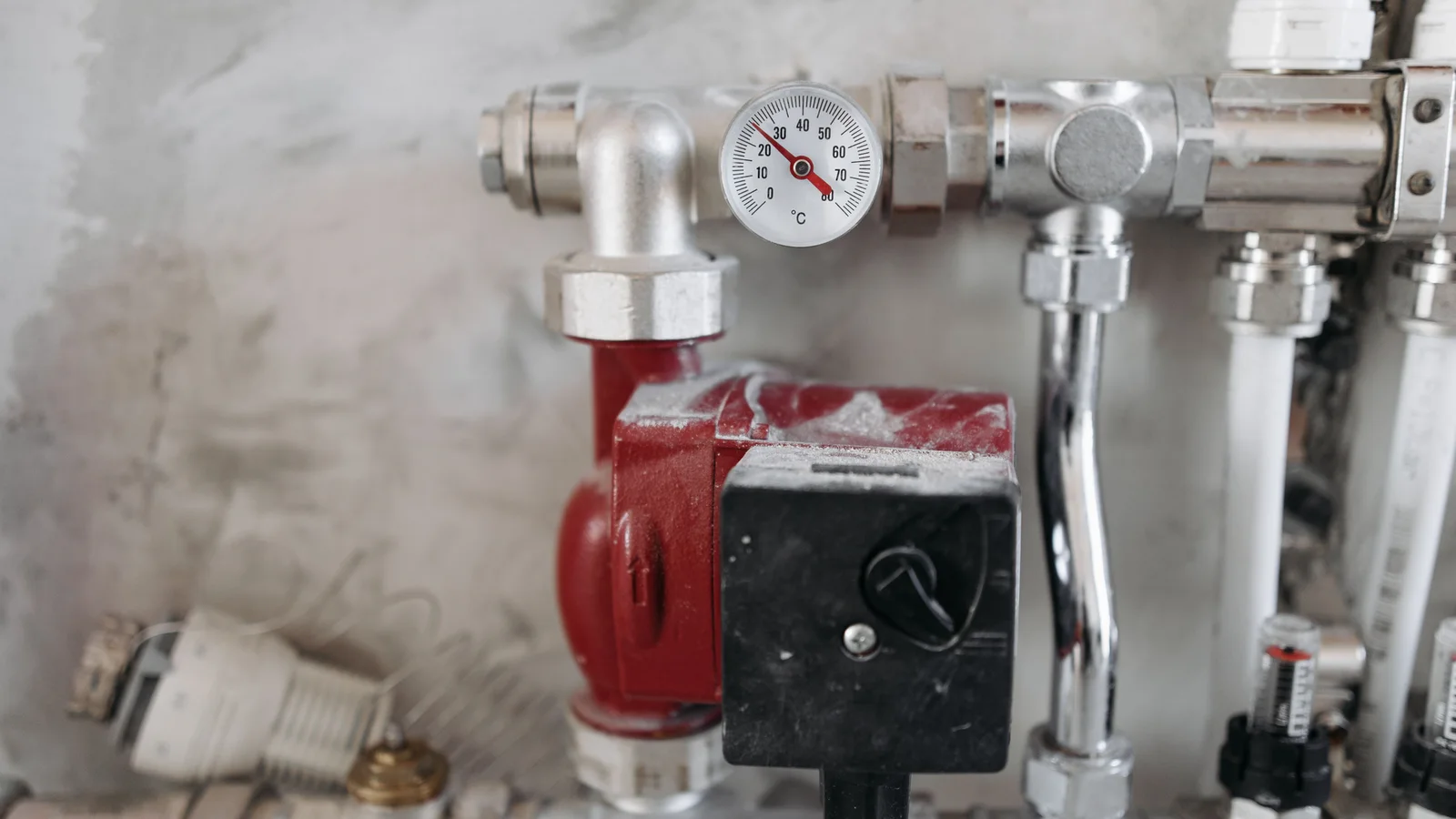
In Short
- An overheating unit is telling you something. What cascades once oil temperature climbs, and where should you look for the cause?
- Topics covered in this article: Why Temperature Matters So Much, 1. Tank Volume Too Small, 2. Clogged Filter, 3. Internal Leak in the System, 4. Continuous Unloaded Running.
- Our services related to this topic: Hidrolik Güç Ünitesi Tamiri, Hidrolik Güç Ünitesi İmalatı.
- On-site inspection is free within and around Izmir; a firm quote follows measurement.
In This Article10 sections
Why Temperature Matters So Much
In hydraulic systems, temperature doesn't draw attention the way noise or a leak does; it creeps up quietly and its effects cascade. As oil heats up:
- Viscosity drops: thinner oil increases internal leaks. The system spends more energy to do the same work.
- Oil life shortens: oxidation accelerates; sludge, varnish and acid form.
- Seals harden: sealing elements lose flexibility and leaks start.
- Wear accelerates: the oil film thins, increasing metal-to-metal contact.
- Downtime increases: unexpected faults turn into lost production.
Overheating isn't a fault — it's a symptom. Adding a cooler to bring the temperature down is sometimes the right fix, but you need to find where the heat is coming from first. Otherwise the real fault stays hidden.
1. Tank Volume Too Small
The oil tank isn't just a reservoir. It has three jobs: storing the oil, cooling it, and letting the air inside separate out. If the tank is too small, oil returns to the system too quickly and never gets a chance to rest and cool.
As a general rule, tank volume is chosen at several times the pump's flow rate. Heavily used systems need that ratio increased, or a cooler added. A unit built with a small tank may not cause problems in the first few months — but in summer, or under heavy production load, temperature runs out of control.
Tank layout matters too: suction and return lines need enough separation, and there needs to be enough volume for the returning oil to release its air and let sediment settle. These are among the details we pay close attention to in manufacturing.
2. Clogged Filter
A clogged filter generates heat two ways: it restricts oil flow, causing a pressure drop, and once it goes into bypass it sends contaminated oil into the system. Dirty oil then increases friction on its own.
The sneaky part: the filter stays in place, looks fine from the outside, but it's no longer doing its job. Systems with a contamination indicator will show this; systems without one need the filter changed on a schedule.
Filter condition is a standard check item on our service calls. Changing the oil and leaving the filter alone is like walking into a room you just cleaned with dirty shoes on.
3. Internal Leak in the System
An internal leak is the most common source of heat in a hydraulic system, and the logic is simple: if pressurised oil moves from one point to another without doing work, that energy turns into heat.
Where an internal leak can occur:
- Cylinder piston seal: the most common spot. If a cylinder is drifting under load, suspect this first.
- Pump: a worn pump loses both flow and generates heat.
- Valves: a worn spool or bearing surface causes continuous leakage.
- Relief valve: if its setting has drifted low, oil keeps returning to the tank continuously and heats up fast — a very common case.
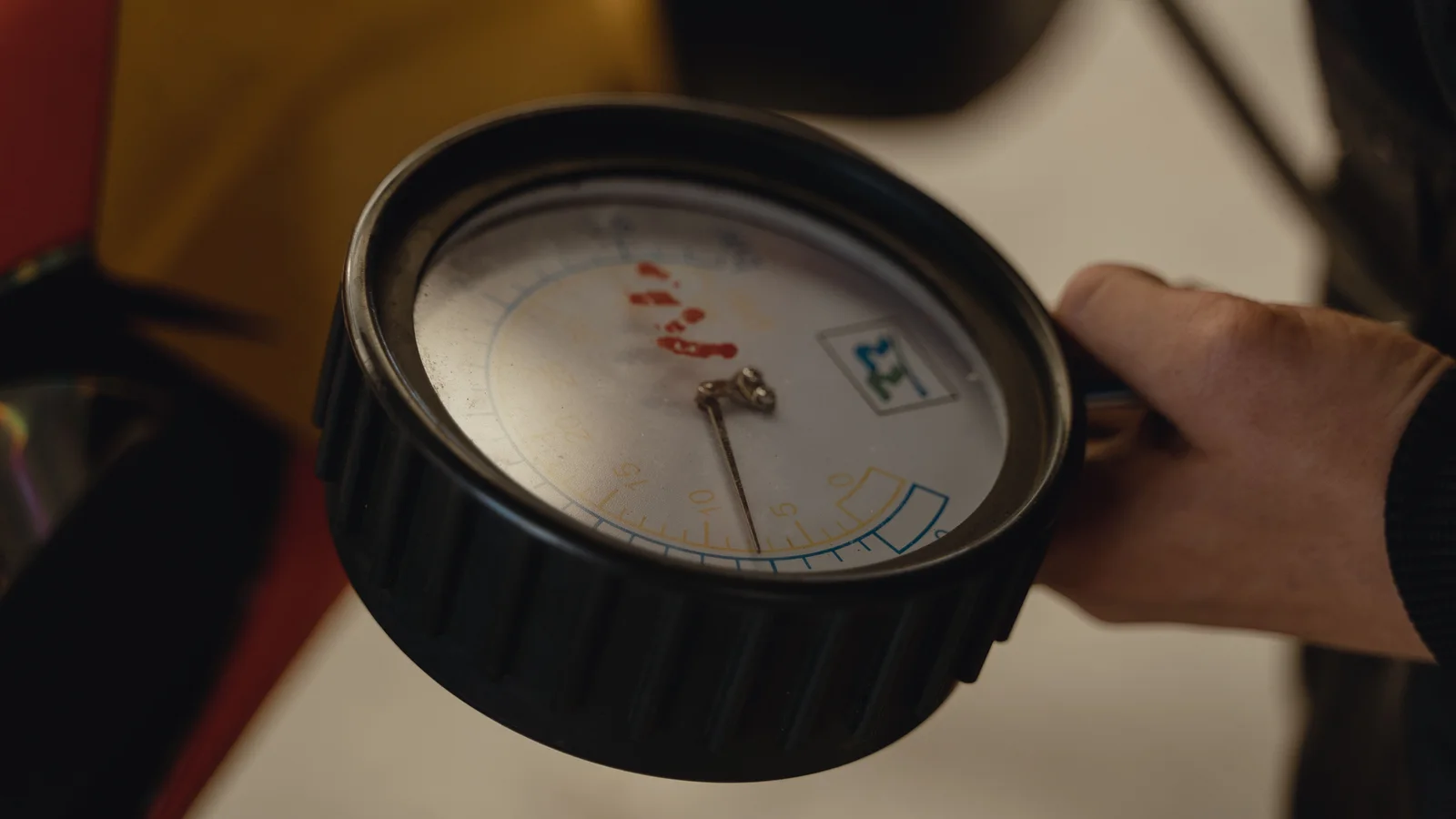
A practical tip for diagnosis: check which part of the system runs hotter. Wherever heat concentrates is usually also where the leak is. A hot valve block is one of the most visible signs of an internal leak.
4. Continuous Unloaded Running
In many plants, the unit is left running even when there's no work to do. The pump turns, oil is pumped, but the system has no work to do; the oil being pumped returns to the tank through the relief valve or a throttle point. That return flow generates heat directly.
This wastes both energy and creates a heat problem. Fixes:
- Unloading circuit: an arrangement that lets the pump run at low pressure when there's no work.
- Variable-displacement pump: reduces flow — and heat generation — when it's not needed.
- Automatic shutdown: stopping the unit if there's no work after a set period.
Improvements like these fall under modernisation work, and they generally pay for themselves through energy savings.
5. No Cooler, or a Faulty One
In systems running continuous duty, tank cooling alone isn't enough — a cooler is needed. And if there is one, it may have been neglected:
- An air-cooled cooler with fins caked in dust
- A faulty or stalled fan
- Scaled-up piping in water-cooled systems
- A thermostat fault — the cooler never kicks in at all
Cleaning a cooler is a simple, cheap maintenance task, but skipping it has a big impact. It's always on our periodic maintenance checklist.
6. Wrong Oil Choice
Hydraulic oil viscosity has to match the system and the operating temperature:
- Too thick (high viscosity) oil: flow resistance increases, the pump works harder, friction heat rises. This shows up especially on cold starts.
- Too thin (low viscosity) oil: the oil film weakens, internal leaks increase, efficiency drops — and again, heat is generated.
Mixing different oils can also break down additive packages and cause foaming. "We topped it up with whatever we had on hand" is a habit that gets expensive in hydraulics.
Which oil suits your system is determined by working pressure, ambient temperature and pump type. If you're not sure, ask — telling you the right oil takes us a few minutes.
Fixing It Instead of Living With It
Most businesses facing an overheating problem pick one of two paths: ignore it and say "it's always been like this," or bolt on a cooler and suppress the symptom. Neither actually solves anything.
The right approach has three steps:
- Measure: measure temperature, pressure and, where possible, flow. Go by numbers, not "it feels hot."
- Find the source: work through the six causes above in order. Wherever heat concentrates points to the source.
- Fix the root cause: change a clogged filter, correct a low relief-valve setting, repair an internal leak. A cooler should only be considered after these.
The cost of overheating isn't just energy: oil life shortens, seals harden, leaks start, and over time the pump-valve group wears down. In other words, an overheating problem you "live with" today comes back a few years later as a much more expensive rebuild.
If your system is overheating and you can't find the source, you can reach out to us for measurement. Inspection is free within Izmir; after measurement, we tell you clearly what needs to be done — we're looking to solve the problem, not sell you a cooler.
The Order for Finding the Source of Overheating
Here's the order we follow on site; you can run the first checks yourself:
| Order | Check | What We're Looking For |
|---|---|---|
| 1 | Oil level | Low level = less oil, faster overheating |
| 2 | Oil condition | Darkening, burnt smell, cloudiness (water) |
| 3 | Filter / contamination indicator | Clogging, bypass status |
| 4 | Cooler | Dust, is the fan running, thermostat |
| 5 | Pressure settings | Is the relief valve set correctly? |
| 6 | Unloaded running time | How long does the unit idle? |
| 7 | Local heat | Which valve/line runs hotter? |
| 8 | Cylinder internal leak | Is there drift under load? |
This order narrows down the source in most cases. If it isn't found, a flow measurement and more detailed system analysis are needed — which means we come out with equipment. Inspection is free within Izmir.
Frequently Asked Questions
My unit is overheating — would adding a cooler solve it?
Sometimes, but the cause needs to be found first. If the source of the heat is an internal leak or a clogged filter, a cooler only suppresses the symptom while the real fault keeps progressing. Once we measure and identify the source, we'll recommend a cooler only if it's genuinely needed.
What's a normal oil temperature?
It depends on the system type and the oil. As a rule of thumb, a tank too hot to keep your hand on for long is usually a sign of a problem. A firm assessment needs measurement and checking the oil manufacturer's stated operating range.
Can the relief valve cause overheating?
Absolutely. A relief valve set lower than it should be continuously returns the pumped oil back to the tank. That means the pump's entire output turns into heat — a very common case and a quick fix once found.
Which parts fail first in an overheating unit?
Usually the sealing elements: gaskets harden and leaks start. Then pumps and valves are affected as the oil film thins. The oil itself degrades too, forming sludge and varnish that can gum up valves.
Our Services on This Topic
More From the Guide

İsmail Çevik is the founding partner of ÇevikSan. This content was prepared based on our workshop's hands-on manufacturing, repair and overhaul experience with hydraulic and pneumatic cylinders.
Last updated: August 27, 2026